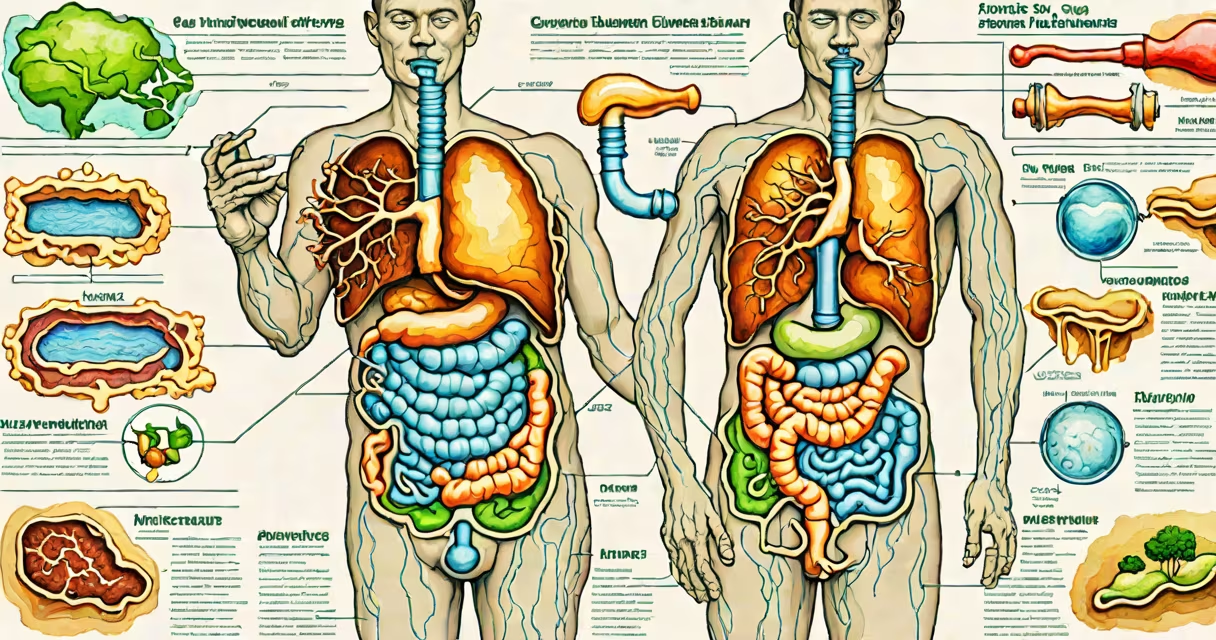
Excessive flatulence occurs when your digestive system produces more gas than normal, typically due to dietary choices, food intolerances, or gut health imbalances. On average, humans pass gas 14 times daily, but certain factors can increase this frequency.
Gas production happens primarily in the small and large intestines. When you eat, undigested food reaches your colon, where bacteria break it down through fermentation. This process releases gases like hydrogen, carbon dioxide, and methane. Swallowed air (aerophagia) also contributes to flatulence.
| Type | Primary Cause | Common Triggers |
|---|---|---|
| Dietary | High-fiber foods | Beans, lentils, cruciferous vegetables |
| Intolerance-related | Digestive enzyme deficiencies | Lactose, gluten, artificial sweeteners |
| Medical | Underlying conditions | IBS, SIBO, celiac disease |
Many people assume that meat-based diets produce less gas, but plant-based diets actually create more gas due to fiber content. However, meat-based diets can lead to foul-smelling gas because proteins are harder to digest completely.
If excessive flatulence is accompanied by symptoms like bloating, diarrhea, constipation, or abdominal pain, it may indicate an underlying condition such as irritable bowel syndrome (IBS) or small intestinal bacterial overgrowth (SIBO). A healthcare professional can help diagnose and treat these conditions.
I once noticed increased gas after switching to a high-fiber diet. After tracking my meals, I identified beans as the primary culprit. Reducing portion sizes and incorporating probiotics helped balance my gut bacteria and reduce excessive flatulence.