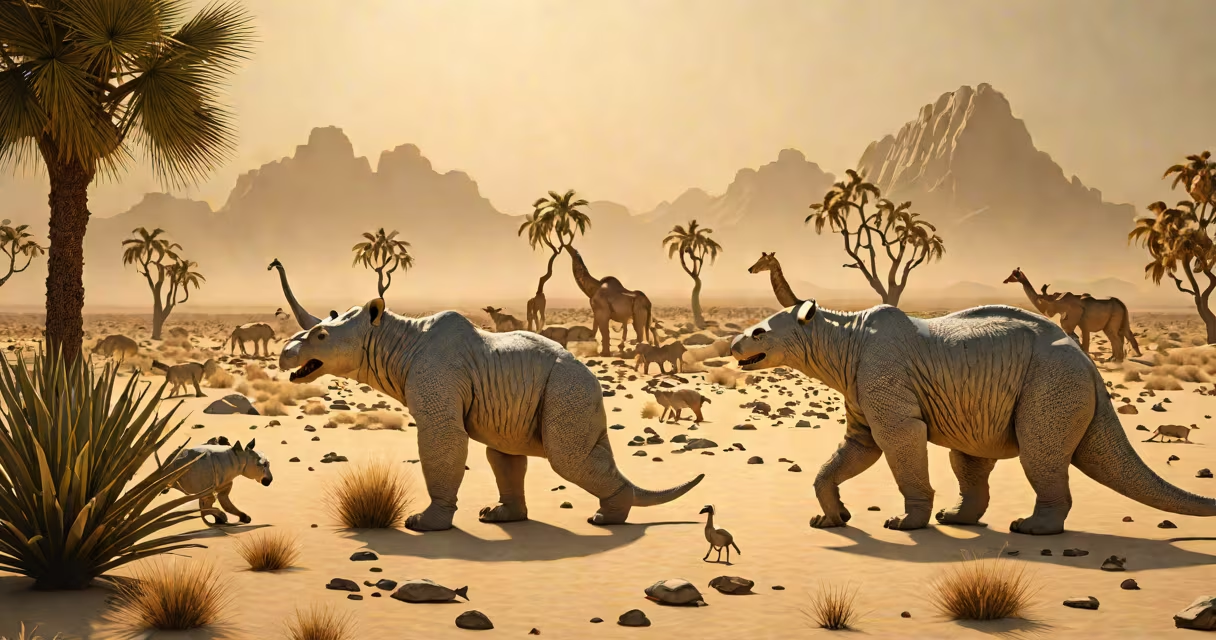
Animals go extinct due to a combination of natural and human-induced factors, primarily habitat destruction, climate change, pollution, overexploitation, and invasive species. These forces disrupt ecosystems, making it impossible for some species to survive.
Extinction occurs when a species dies out completely, leaving no surviving individuals. This process can happen gradually over millions of years or suddenly due to catastrophic events. Natural extinction is part of evolution, but human activities have accelerated the rate of species loss.
The primary causes of animal extinction fall into five categories:
Extinction happens worldwide, but certain regions are hotspots due to high biodiversity and human activity. For example, tropical rainforests in Southeast Asia, South America, and Africa face severe deforestation, threatening countless species. Coral reefs, which support 25% of marine life, are particularly vulnerable to climate change and pollution.
Humans accelerate extinction rates through industrial activities, agricultural expansion, and urban development. The International Union for Conservation of Nature (IUCN) reports that over 37,000 species are currently threatened with extinction, with habitat loss being the primary driver.
Many people believe extinction is solely a natural process, but scientific evidence shows that human activities have increased extinction rates. A study published in the journal Science Advances found that the current rate of species loss is 100 to 1,000 times higher than natural background rates.
Another misconception is that only small or insignificant species go extinct. In reality, large and ecologically important species, such as elephants and tigers, are also at risk. Their decline disrupts entire ecosystems, affecting countless other species.
Consider the case of the passenger pigeon (Ectopistes migratorius), once one of the most abundant birds in North America. Hunting and habitat destruction led to its extinction in the early 20th century. The last known passenger pigeon, Martha, died in captivity in 1914. This event highlights how human activities can drive even highly adaptable species to extinction.
Conservation efforts, such as protected areas and breeding programs, aim to prevent similar fates for other species. For instance, the California condor (Gymnogyps californianus) was on the brink of extinction but has seen a population rebound due to intensive conservation measures.
Understanding what causes animals to go extinct is important for developing effective conservation strategies. By addressing the root causes of extinction, we can protect biodiversity and ensure the survival of countless species for future generations.