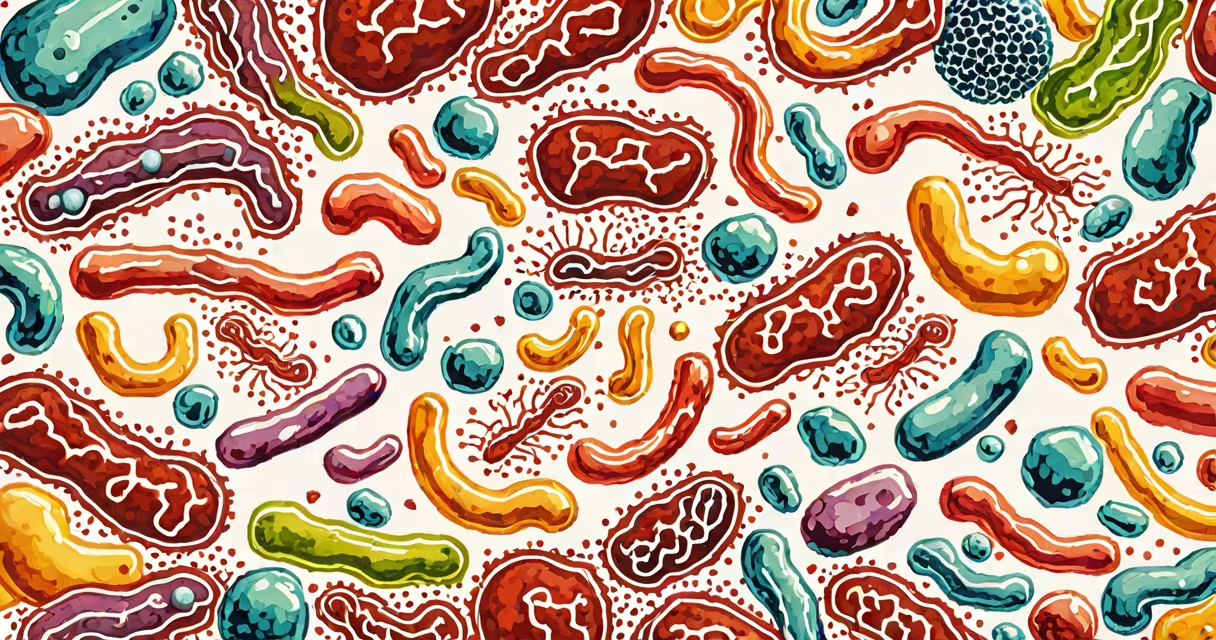
Bad bacteria in the gut, or dysbiosis, occurs when harmful microbes outnumber beneficial ones, disrupting gut health. This imbalance can lead to digestive issues, weakened immunity, and other health problems.
The gut microbiome, a complex system of microbes, maintains health when balanced. Dysbiosis arises from factors like poor diet, stress, antibiotics, and infections. These disrupt the microbiome, allowing harmful bacteria to proliferate.
Common culprits include Clostridium difficile, Helicobacter pylori, and Escherichia coli. These bacteria produce toxins, inflame the gut lining, and steal nutrients, worsening imbalances.
| Bacteria | Effects |
|---|---|
| Clostridium difficile | Severe diarrhea, colitis |
| Helicobacter pylori | Stomach ulcers, gastritis |
| Escherichia coli | Food poisoning, urinary tract infections |
Diet plays a key role. High sugar, processed foods, and low fiber reduce beneficial bacteria. Stress increases inflammation, harming gut lining integrity. Antibiotics kill both good and bad bacteria, often leaving harmful microbes dominant.
Probiotics, like Lactobacillus and Bifidobacterium, replenish good bacteria. Prebiotics, such as garlic and onions, feed beneficial microbes. A balanced diet with whole foods supports microbiome diversity.
I noticed improved digestion after adding fermented foods like sauerkraut and kefir to my diet. These foods introduced beneficial bacteria, helping restore balance.
Many believe all bacteria are harmful, but most are essential for digestion and immunity. Others think probiotics alone fix imbalances, but diet and lifestyle changes are important for long-term health.