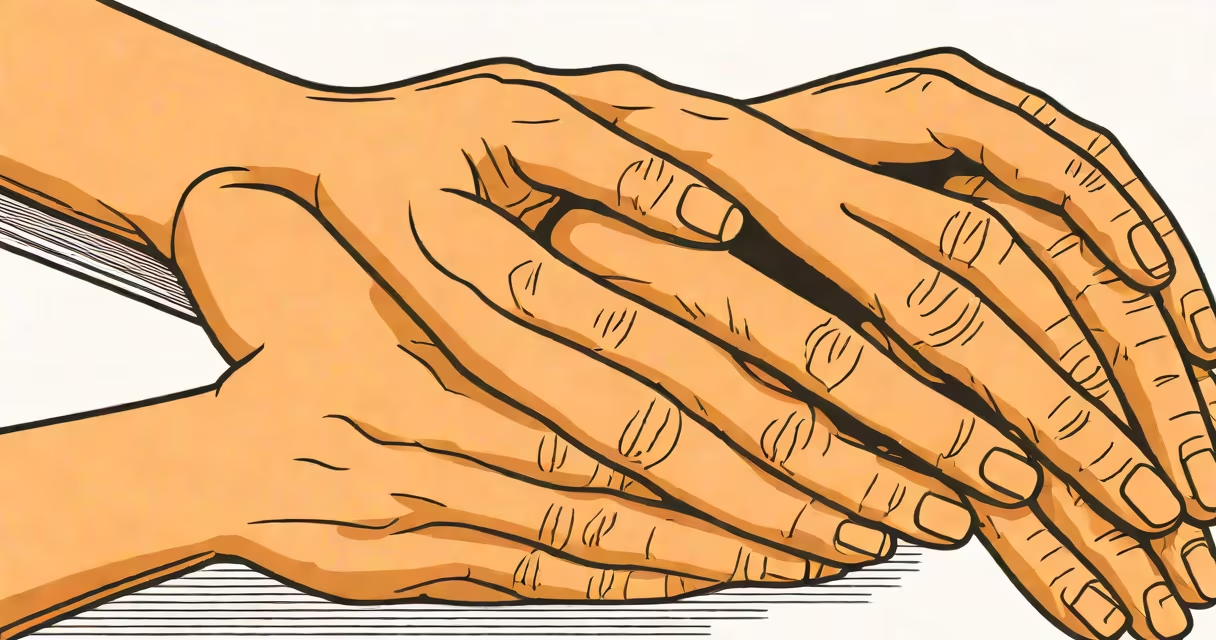
Cramps in your hands and legs are sudden, involuntary muscle contractions caused by overexertion, dehydration, or electrolyte imbalances. These painful spasms typically last seconds to minutes and often occur during physical activity or at night.
Muscle cramps happen when muscles contract involuntarily and cannot relax. This occurs due to problems with signaling between nerves and muscles, often triggered by imbalances in electrolytes like sodium, potassium, calcium, and magnesium. These minerals help transmit electrical signals that control muscle contractions and relaxations.
Hand and leg cramps fall into two categories:
| Type | Characteristics |
|---|---|
| True cramp | Muscle contracts painfully, often due to exercise or dehydration |
| Tetany | Muscle contracts due to low calcium, often from hyperventilation |
Dehydration is the most frequent cause of cramps, as it reduces electrolytes that regulate muscle function. Other causes include overexertion, poor circulation, nerve compression, and certain medications. Low levels of magnesium, calcium, or potassium-often from poor diet-can also trigger cramps.
In my experience, staying hydrated and eating bananas rich in potassium helped reduce my nighttime leg cramps.
To prevent cramps, drink plenty of water, especially before and after exercise. Eat foods rich in electrolytes, such as leafy greens, nuts, and bananas. Stretching before and after workouts can also help. If cramps occur, gently stretching or massaging the affected muscle usually relieves the spasm.
For persistent or severe cramps, consult a doctor to rule out underlying conditions like peripheral artery disease or nerve damage. A healthcare professional may recommend supplements or adjust medications if needed.
While occasional cramps are normal, frequent or severe cramps may indicate an underlying issue. Seek medical attention if cramps are accompanied by swelling, redness, or weakness, or if they interfere with daily activities. Conditions like diabetes, thyroid disorders, or liver disease can contribute to chronic cramping.
Many people believe cramps are solely caused by dehydration, but other factors like low electrolyte levels, poor circulation, and nerve issues also play significant roles. Another myth is that stretching after a cramp helps prevent future ones-while stretching can relieve immediate discomfort, consistent hydration and proper nutrition are key for long-term prevention.
Some also confuse cramps with muscle twitches or spasms caused by nerve damage. True cramps involve sustained, painful contractions, whereas twitches are brief and less painful.
Understanding what causes cramps in your hands and legs helps you take steps to prevent them. Stay hydrated, maintain a balanced diet, and stretch regularly to reduce the risk of painful muscle spasms. If cramps persist, consult a healthcare provider to identify any underlying conditions.