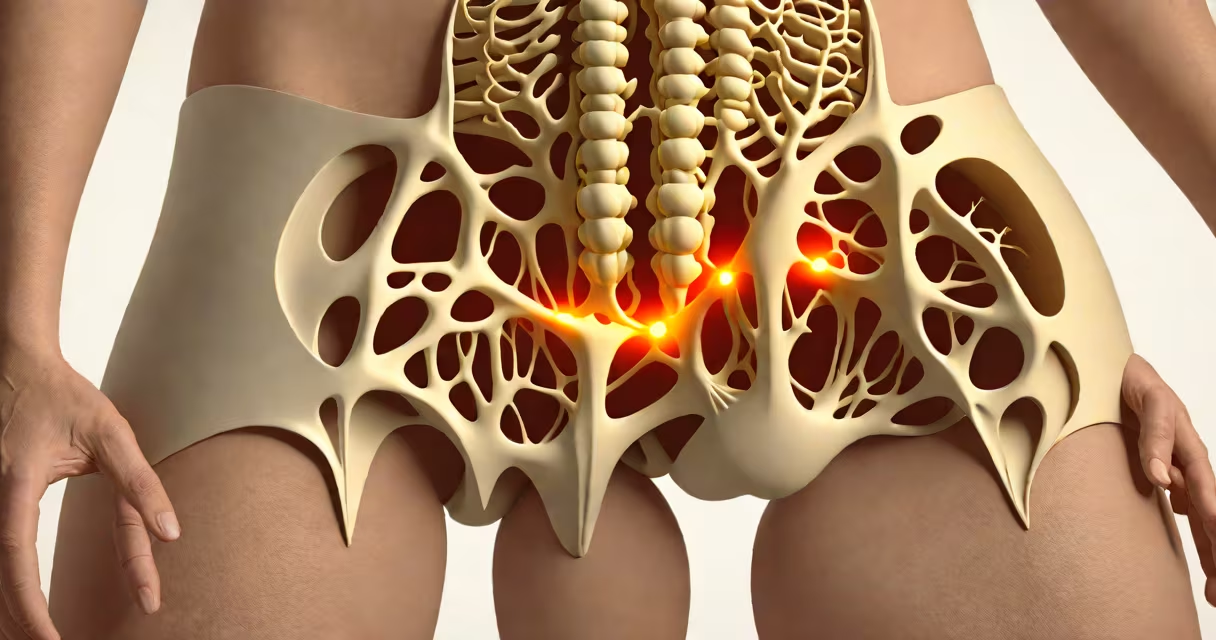
A cyst in the groin area is a closed pocket of tissue containing fluid, air, or other material. These growths often form due to blocked hair follicles, infections, or skin trauma, appearing as painless lumps ranging from pea-sized to several inches.
Cysts form when skin cells multiply abnormally and create a sac filled with keratin, a protein in hair, skin, and nails. The most common causes include:
| Type | Characteristics | Common Cause |
|---|---|---|
| Epidermal inclusion cyst | Small, slow-growing, often white or flesh-colored | Blocked hair follicle |
| Sebaceous cyst | Firm, movable, may have a central punctum | Oil gland blockage |
| Pilonidal cyst | Painful, near tailbone, often infected | Ingrown hair |
| Hidradenitis suppurativa | Cluster of painful lumps, chronic | Obstructed sweat glands |
Most groin cysts are harmless, but see a doctor if you notice:
According to the American Academy of Dermatology, cysts that become infected may require professional drainage or antibiotics. Never attempt to pop or drain a cyst yourself, as this can lead to infection or scarring.
Many people confuse groin cysts with other conditions like hernias or lymph node swelling. Unlike cysts, hernias typically cause sharp pain when coughing or straining, while swollen lymph nodes are usually tender and move freely under the skin. A proper diagnosis requires examination by a healthcare professional.
While not all cysts can be prevented, these measures may reduce your risk:
The Mayo Clinic recommends gentle exfoliation to prevent blocked pores, though excessive scrubbing can actually increase irritation.