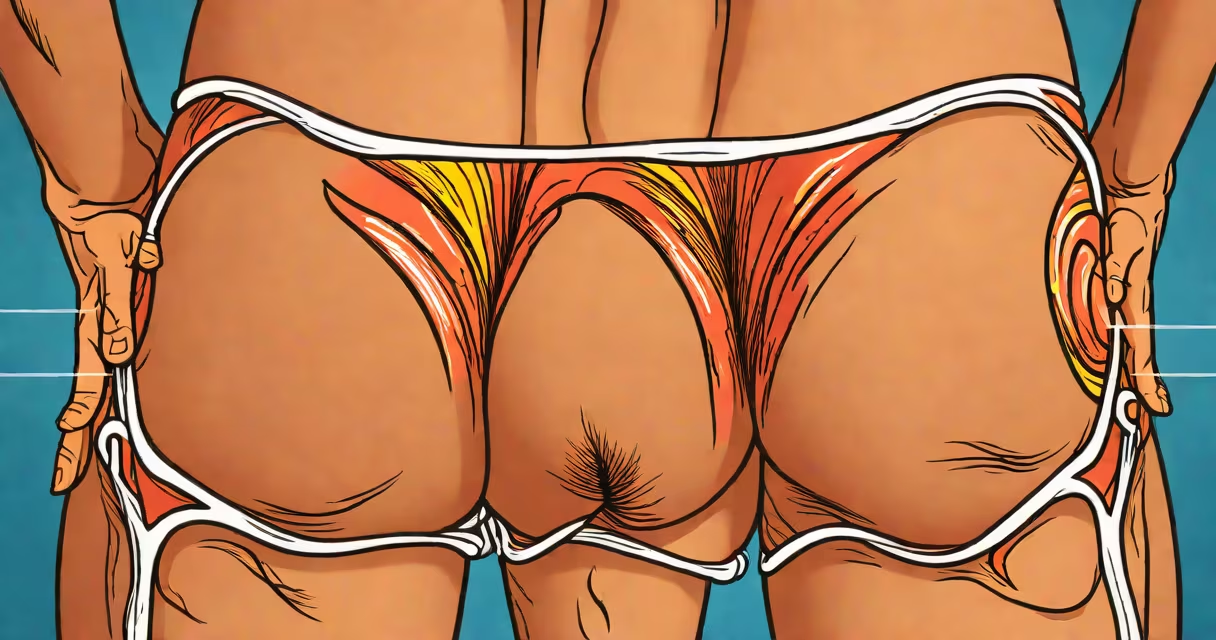
A muscle spasm in the buttocks occurs when the gluteal muscles contract involuntarily and refuse to relax. These sudden, painful cramps often result from dehydration, electrolyte imbalances, or nerve compression.
Muscle contractions happen when signals from the brain tell your muscles to tighten. Normally, they relax afterward. A spasm occurs when muscles contract and don't receive the signal to relax. This can last seconds or minutes, causing sharp, stabbing pain.
Several factors contribute to muscle spasms in the buttocks:
Many people assume muscle spasms are purely due to physical exertion. However, even minor dehydration or stress can trigger them. Unlike hand muscle spasms, which often result from repetitive motions, buttock spasms frequently stem from nerve-related issues or electrolyte imbalances.
To alleviate spasms, gently stretch the affected area and hydrate. For persistent issues, consult a doctor to rule out nerve compression or other conditions. Preventative measures include staying hydrated, maintaining electrolyte balance, and avoiding prolonged sitting.
I once experienced a severe gluteal spasm after a long bike ride without enough water. Stretching and drinking electrolytes helped, but it reinforced how important hydration is for muscle function.
While muscle spasms in the buttocks are usually harmless, recurring or severe cases warrant medical attention. Proper care can prevent discomfort and improve mobility.