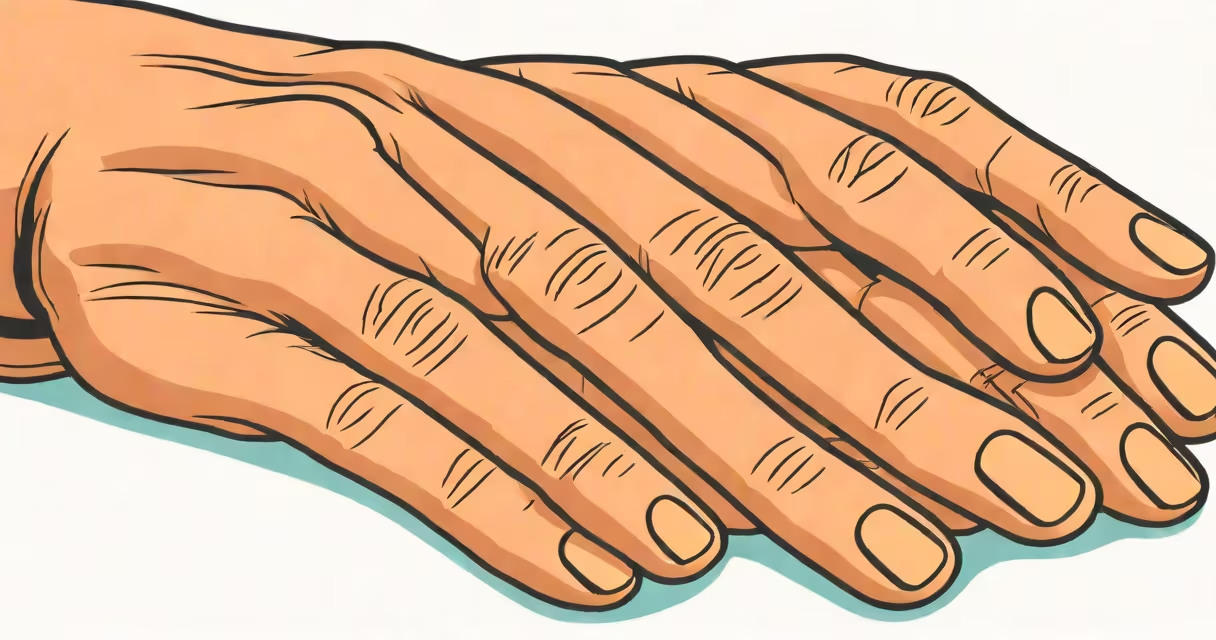
Swollen knuckles result from inflammation, injury, or underlying conditions like arthritis. This swelling occurs when fluid builds up around the joints, causing them to appear puffy and tender.
Swelling in the knuckles happens when small blood vessels leak fluid into the surrounding tissues. This can occur due to injury, infection, or chronic conditions like rheumatoid arthritis. The body responds to these triggers by increasing blood flow to the area, leading to inflammation and swelling.
The most common causes of swollen knuckles include:
If swelling persists for more than a few days, is accompanied by severe pain, redness, or warmth, or if it affects your ability to move your fingers, consult a healthcare provider. Chronic swelling may indicate an underlying condition requiring medical treatment.
For example, if you notice persistent swelling along with stiffness and pain in multiple joints, it could be a sign of rheumatoid arthritis. Early diagnosis and treatment can prevent further damage.
Many people assume that swollen knuckles are always due to arthritis. However, injuries and infections are also frequent causes. Unlike arthritis, which often affects multiple joints, injury-related swelling usually occurs in one specific area.
Another misconception is that swelling is always painful. While it often is, some conditions, like mild allergies, can cause swelling without significant discomfort.
Treatment depends on the underlying cause. For arthritis-related swelling, medications like nonsteroidal anti-inflammatory drugs (NSAIDs) or disease-modifying antirheumatic drugs (DMARDs) may be prescribed. Injuries might require rest, ice, compression, and elevation (RICE method). Infections typically need antibiotics.
In my experience, keeping a journal of symptoms and triggers helped identify patterns and improve communication with my healthcare provider. Tracking when swelling occurs, its severity, and any associated activities or dietary factors can be invaluable.