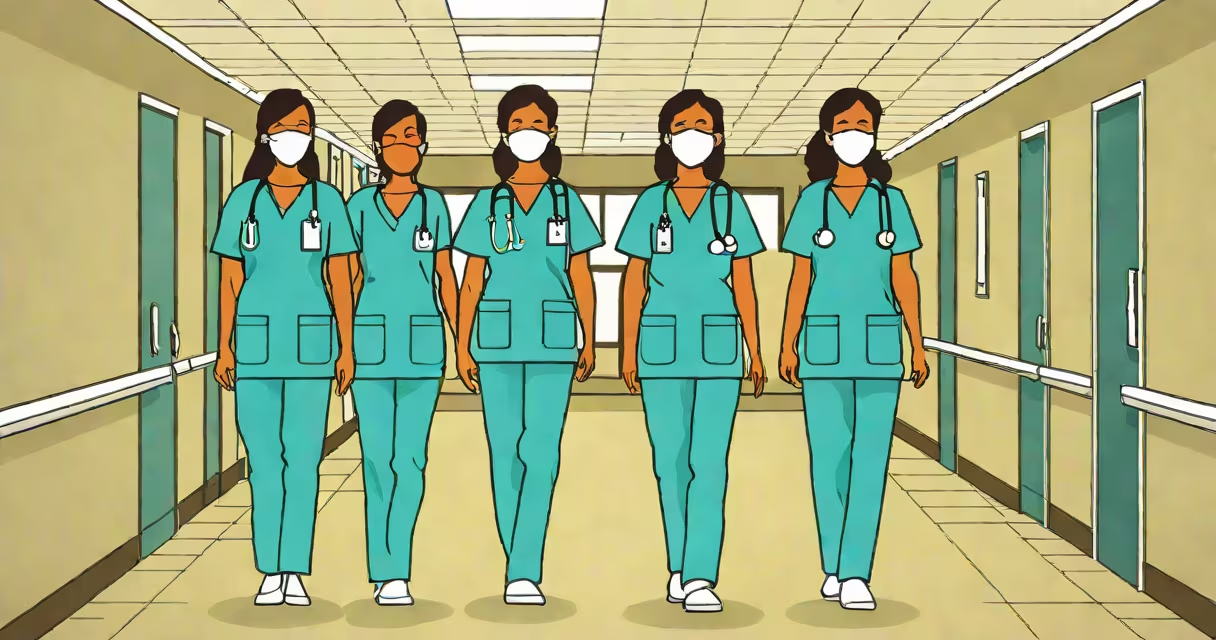
A registered nurse (RN) can advance their career through specialization, higher education, or leadership roles. Common next steps include becoming a nurse practitioner, clinical nurse specialist, or nurse manager.
RNs typically gain experience in their chosen specialty before pursuing further education or certification. This experience often takes 2-5 years, though some roles require less. For example, a nurse interested in critical care might work in an ICU for several years before becoming a critical care RN (CCRN).
RNs have multiple paths for career growth, including:
Most RNs pursue advancement to increase their earning potential, gain more autonomy, or specialize in a particular area of interest. According to the U.S. Bureau of Labor Statistics, jobs for nurse anesthetists, nurse midwives, and nurse practitioners are projected to grow 40%, much faster than average.
Many people assume that the only way to advance as an RN is to become a nurse practitioner. However, RNs can also specialize in areas like wound care, diabetes education, or infection control without pursuing an advanced degree. These roles often require certification but do not always require a graduate degree.
Another misconception is that all advanced nursing roles require moving into patient care administration. While some RNs become nurse managers or directors, others transition into education, research, or policy roles. For example, a nurse educator might teach at a nursing school or develop training programs for hospitals.
Sarah, an RN with five years of experience in emergency nursing, decides to become a family nurse practitioner (FNP). She enrolls in an MSN program with a focus on family practice, completing coursework in advanced pathophysiology, pharmacology, and health assessment. After graduating, she gains clinical experience under the supervision of a licensed NP before passing her certification exam. As an FNP, Sarah can diagnose and treat patients, prescribe medications, and manage chronic conditions independently.
This path took Sarah about three years of full-time study and clinical work, but the result was a significant increase in her earning potential and autonomy in patient care.
For more on career paths after becoming a certified nursing assistant (CNA), see what comes after CNA in nursing.