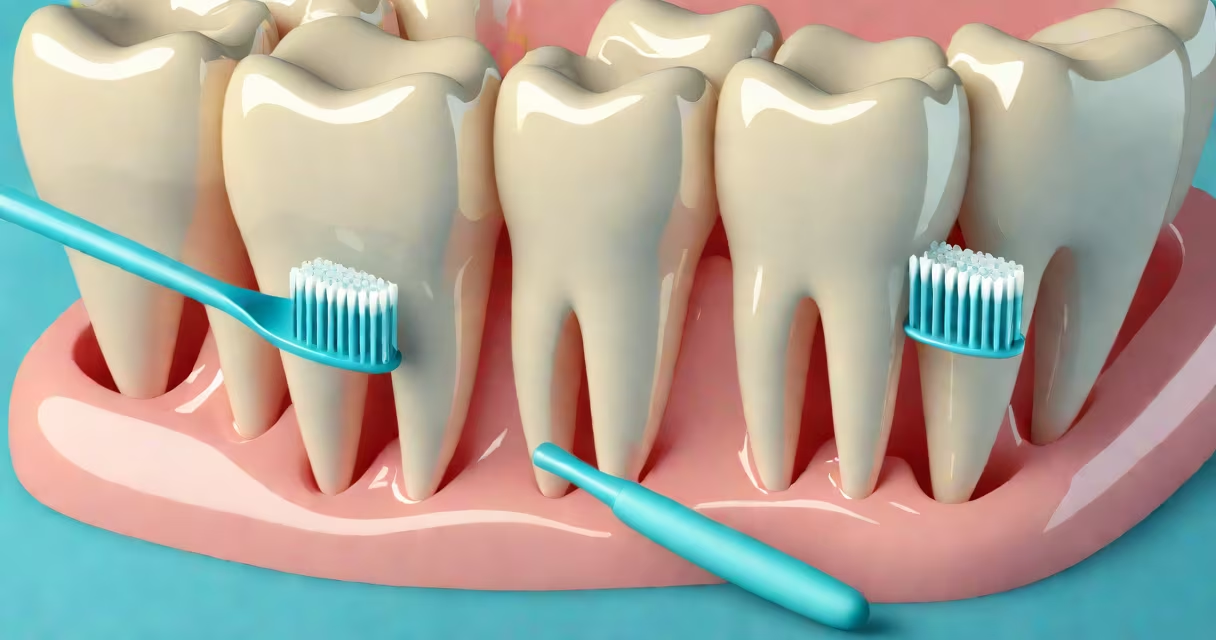
Tooth plaque dissolves with specific enzymes, antibacterial agents, and mechanical removal methods. This sticky biofilm forms constantly from bacteria, saliva, and food particles.
Plaque begins forming within hours of brushing. Bacteria in your mouth feed on sugars from food, producing acids that erode tooth enamel. Over time, untreated plaque hardens into tartar, which requires professional removal.
| Method | Effectiveness | Frequency |
|---|---|---|
| Brushing | Removes 60-70% of plaque | Twice daily |
| Flossing | Removes 40-50% of interdental plaque | Once daily |
| Mouthwash | Reduces plaque by 20-30% | Once or twice daily |
| Professional cleaning | Removes 100% of tartar | Every 6 months |
Some ingredients in dental products specifically target plaque:
Most plaque removal relies on mechanical action. Brushing dislodges plaque before it hardens, while flossing reaches areas between teeth. Electric toothbrushes with oscillating heads remove more plaque than manual brushes.
Chemical dissolution complements mechanical methods. For example, chewing sugar-free gum stimulates saliva flow, which contains natural plaque-fighting enzymes. However, no chemical agent alone can completely replace brushing and flossing.
Many people believe certain foods or drinks dissolve plaque. While cranberry juice may inhibit plaque formation, it doesn't remove existing plaque. Similarly, oil pulling (swishing oil in your mouth) has not been proven to dissolve plaque effectively.
Another myth is that mouthwash alone can substitute for brushing. Mouthwash reduces bacteria but doesn't physically remove plaque. The American Dental Association emphasizes that brushing and flossing remain essential for plaque control.
Plaque forms constantly, so prevention is key. Beyond regular brushing and flossing, consider these strategies:
For persistent plaque issues, consult your dentist about specialized treatments. Some dental offices offer in-office treatments with high-concentration fluoride or other plaque-fighting agents.