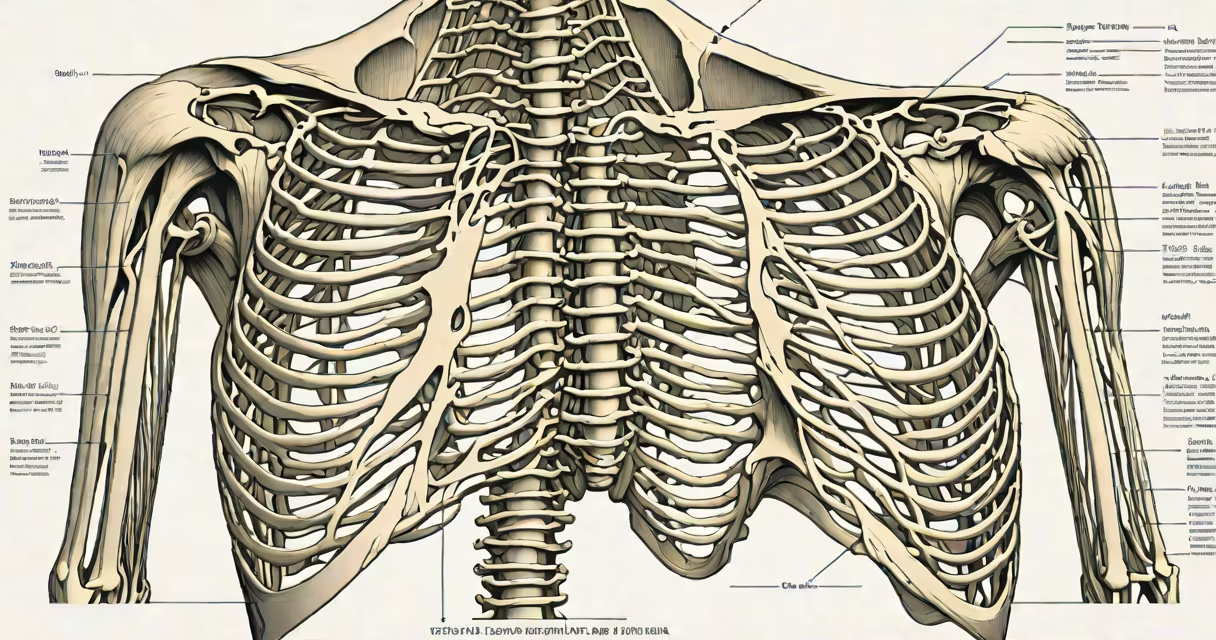
Sternum pain has many potential causes, ranging from minor injuries to serious medical conditions. The sternum, or breastbone, connects your ribs via cartilage and protects important organs like your heart and lungs.
Most sternum pain results from:
Injuries typically result from direct impact, such as falling onto your chest or receiving a hard blow during contact sports. Muscle strains often occur from overexertion, poor posture, or sudden movements.
Costochondritis involves inflammation where ribs attach to the sternum, causing sharp pain that worsens with pressure. Heartburn occurs when stomach acid flows backward into the esophagus, irritating the lining and causing a burning sensation behind the sternum.
Shingles, caused by the varicella-zoster virus, can lead to painful rashes along nerve pathways, sometimes affecting the chest area.
| Type | Characteristics | Duration |
|---|---|---|
| Acute | Sudden, sharp pain | Minutes to days |
| Chronic | Dull, persistent ache | Weeks to months |
| Referral | Pain felt elsewhere but originates from sternum | Varies |
Seek immediate care if sternum pain occurs with:
These symptoms may indicate a heart attack or other serious condition.
Another misconception is that all sternum pain is heart-related. In reality, most cases stem from musculoskeletal issues or digestive problems rather than cardiac events.
Last winter, I experienced sudden sternum pain after shoveling snow. The discomfort worsened with deep breaths and lasted for several days. A doctor diagnosed it as costochondritis, likely triggered by the strain of lifting heavy snow. Rest and over-the-counter anti-inflammatory medication resolved the issue within a week.
To reduce the risk of sternum pain:
Doctors diagnose sternum pain through physical exams, medical history, and sometimes imaging tests. Treatment depends on the underlying cause but may include rest, pain relievers, or prescription medications.
For persistent or severe pain, consult a healthcare provider to rule out serious conditions like heart disease or infections. Early diagnosis improves treatment outcomes and prevents complications.