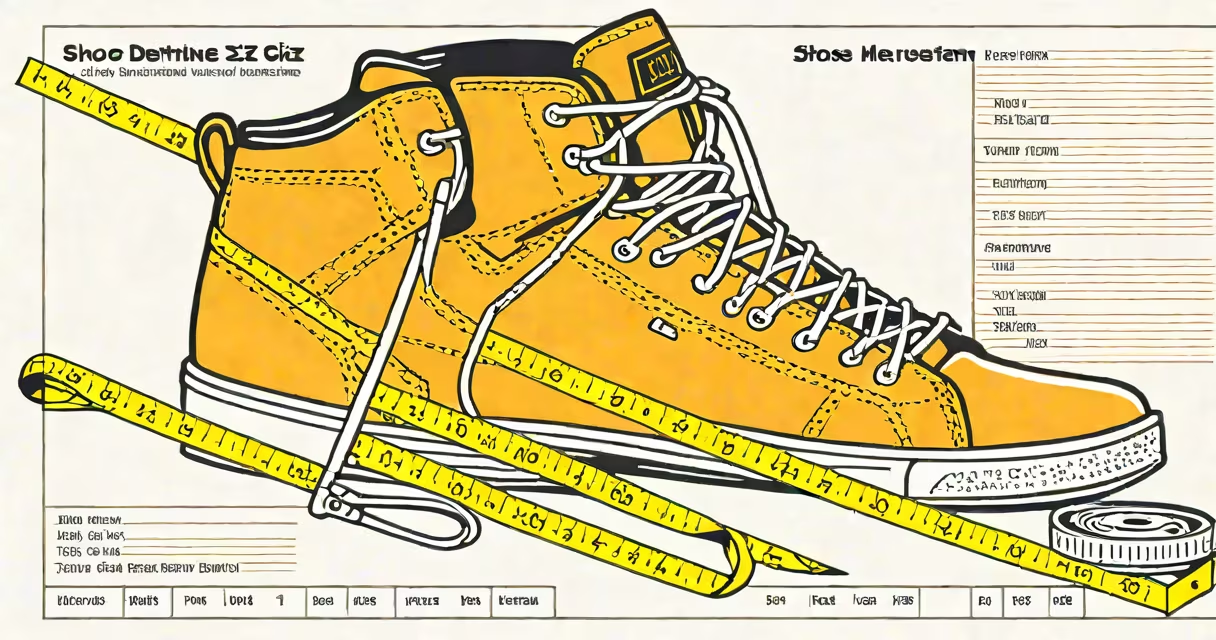
Shoe size is determined by your foot length, width, and the specific sizing system used by brands. Most systems measure the length of your foot in either centimeters or inches, then assign a corresponding size.
Shoe sizes are typically measured using a Brannock device or a ruler. The length of your foot is measured from the heel to the longest toe, usually in centimeters or inches. This measurement is then matched to a standard size chart provided by the shoe manufacturer.
The most common sizing systems include:
| System | Measurement Unit | Common Regions |
|---|---|---|
| US/UK | Barleycorns (1 barleycorn = 1/3 inch) | United States, United Kingdom |
| European (EU) | Centimeters | Europe, parts of Asia |
| Mondopoint | Millimeters | France, some athletic brands |
For example, a US men's size 10 is roughly equivalent to a European size 43. However, exact conversions can vary by brand and style.
Different brands use slightly different measurements and last shapes, which affect how a shoe fits. A size 10 in one brand might fit differently than a size 10 in another. Always check the brand's specific size chart before purchasing.
Many people assume that shoe size is consistent across all brands and styles. However, factors like toe box shape, arch support, and material flexibility can influence fit. For instance, athletic shoes often run narrower than casual shoes.
Another misconception is that shoe size doesn't change over time. Feet can grow or change shape due to weight fluctuations, pregnancy, or aging. Regularly measuring your feet ensures you get the best fit.
I once helped a friend find the perfect pair of running shoes by measuring her feet and comparing them to the brand's size chart. She had been wearing the wrong size for years, which caused discomfort during long runs. After switching to the correct size, her performance improved.