To teach kindergarten, you need basic supplies like crayons, paper, and storybooks, foundational skills in child development and classroom management, and a safe, engaging classroom setup. These elements create a learning environment tailored to young children's needs.
Every kindergarten classroom requires fundamental materials. Start with essentials like crayons, markers, scissors, glue, and paper. Include manipulatives such as counting blocks, puzzles, and play dough for hands-on learning. Storybooks are important for literacy development. Art supplies encourage creativity, while basic classroom furniture-small chairs, tables, and storage bins-organizes the space.
Personalize your supply list based on your curriculum. For example, if you focus on science, add magnifying glasses and nature kits. Math centers benefit from number lines and pattern blocks. Language arts centers require letter tiles and word family cards. Always have extra supplies on hand, as kindergarteners often lose or damage materials.
Teaching kindergarten demands specific skills beyond general education. Understand child development stages to recognize typical behaviors and tailor lessons accordingly. Classroom management ensures a structured environment where students feel safe and engaged. Patience is critical, as young children learn at different paces and may struggle with tasks.
Communication skills help you explain concepts and build relationships with students and parents. Creativity allows you to design engaging lessons that capture short attention spans. Adaptability is essential, as kindergarteners often deviate from planned activities. Observe students closely to assess their progress and adjust instruction as needed.
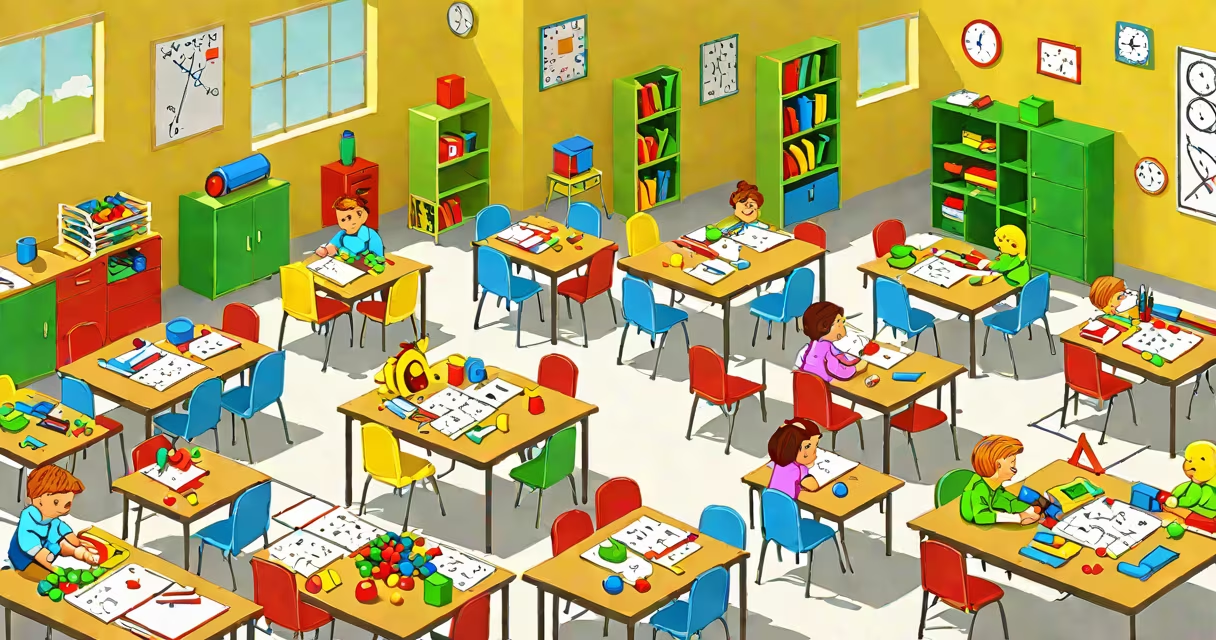
A well-organized classroom supports learning and behavior. Divide the room into centers for different activities, such as reading, math, art, and play. Each center should have clear boundaries and designated materials. Use visual aids like labels and pictures to help students understand where items belong.
Create a calming area where students can take breaks if overwhelmed. Include comfortable seating, soft lighting, and quiet activities like coloring or reading. Display student work to build pride and motivation. Arrange furniture to help group activities while allowing individual space. Ensure the classroom is accessible and safe for all students.
Many people assume kindergarten teaching requires extensive academic focus. However, social and emotional development are equally important. Kindergarteners learn through play, exploration, and interaction with peers. Structured academics come later in elementary school.
Another misconception is that kindergarten teachers only need basic supplies. While crayons and paper are essential, specialized materials support various learning styles. For example, sensory bins with rice or beans help tactile learners, while audiobooks assist auditory learners. A well-stocked classroom accommodates diverse needs.
Imagine setting up a reading center. Start with a cozy rug and pillows for comfort. Include different books at different reading levels. Add bookmarks, highlighting tapes, and reading pointers to engage students. Display alphabet charts and sight word lists on nearby walls. Rotate books weekly to maintain interest. This setup encourages independent reading while supporting literacy development.
When introducing the center, model how to choose a book and read quietly. Pair students initially to build confidence. Gradually encourage independent reading as students gain skills. Observe students to ensure they understand the materials and adjust the center as needed.
During my first year teaching kindergarten, I underestimated the importance of classroom organization. Students struggled to find materials, leading to frustration and off-task behavior. I redesigned the room with clear centers and labeled storage bins. The change improved focus and engagement. Now, I prioritize organization to create an efficient learning environment.
I also learned the value of flexibility. Even the best-planned lessons sometimes fail. Being ready to pivot with alternative activities keeps students engaged. For example, if an outdoor activity is canceled due to rain, have an indoor alternative prepared. Anticipate challenges and plan accordingly to maintain a smooth classroom flow.
Do I need a teaching degree to teach kindergarten?