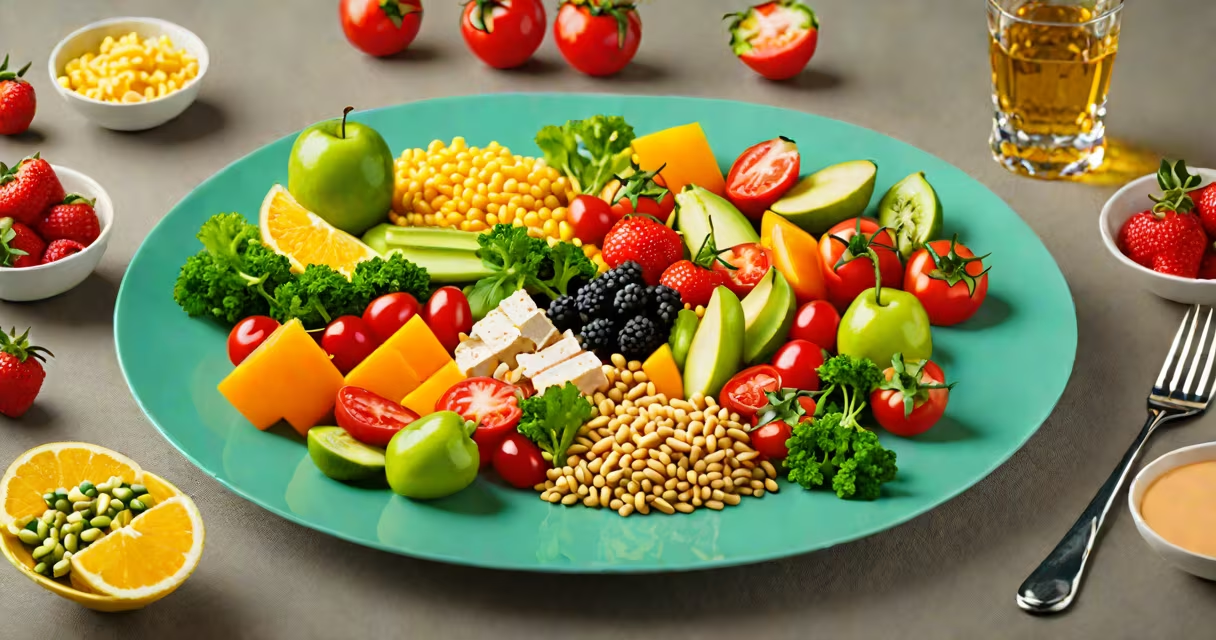
A 2000 calorie diet is a daily eating plan that provides roughly 2000 calories, balancing macronutrients like protein, carbohydrates, and fats. This level is often recommended for adults seeking weight maintenance or moderate weight loss.
The diet divides daily calories among three meals and two snacks. Each meal contains roughly 500 calories, while snacks provide 100-150 calories. The United States Department of Agriculture (USDA) recommends a balance of 45-65% carbohydrates, 20-35% fats, and 10-35% protein.
For example, a typical breakfast might include whole-grain toast, peanut butter, and a banana. Lunch could feature grilled chicken, quinoa, and steamed vegetables. Dinner may consist of salmon, brown rice, and a side salad. Snacks could be Greek yogurt or an apple with almonds.
This diet includes different foods to ensure nutritional balance. Whole grains, lean proteins, fruits, vegetables, and healthy fats are prioritized. Processed foods and sugars are limited.
| Food Group | Examples | Calories per Serving |
|---|---|---|
| Whole Grains | Brown rice, quinoa, whole-wheat bread | 150-200 |
| Lean Proteins | Chicken breast, salmon, tofu | 120-180 |
| Fruits | Apple, banana, berries | 60-100 |
| Vegetables | Broccoli, spinach, carrots | 20-50 |
| Healthy Fats | Avocado, nuts, olive oil | 100-120 |
Some people assume a 2000 calorie diet is restrictive or requires special foods. In reality, it focuses on portion control and balanced nutrition. Another misconception is that all calories are equal. However, nutrient-dense foods provide more health benefits than empty-calorie options.
For instance, a 200-calorie serving of cookies offers little nutritional value compared to a 200-calorie serving of Greek yogurt with berries. The latter provides protein, fiber, and vitamins.
This diet supports weight management, energy levels, and health. It is often recommended for individuals who are sedentary or lightly active. For those with higher activity levels, caloric needs may increase.
According to the Mayo Clinic, a 2000 calorie diet can help prevent chronic diseases like heart disease and diabetes. It ensures adequate intake of vitamins, minerals, and fiber while maintaining a healthy weight.
I once followed a 2000 calorie diet for a month to test its effectiveness. I noticed improved energy levels and better digestion. The key was planning meals in advance and choosing nutrient-rich foods.
People often confuse a 2000 calorie diet with fad diets or extreme calorie restriction. Unlike crash diets, this plan promotes sustainable eating habits. It is not about rapid weight loss but rather long-term health.