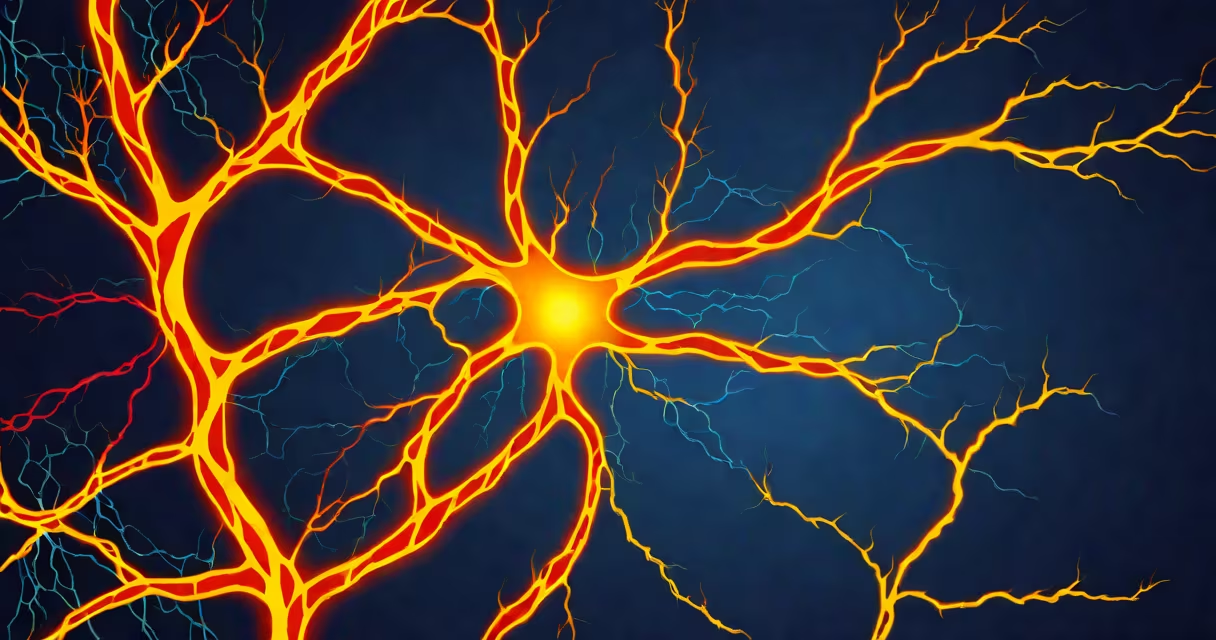
A burning pain typically indicates nerve damage, inflammation, or irritation in tissues. This sensation occurs when nerves misfire or send incorrect signals to the brain.
Burning pain arises from damaged or overactive nerves. Nerves transmit signals about temperature, pressure, and pain. When injured, they may send false signals, creating a burning feeling even without actual heat.
Burning pain can stem from various sources:
Specific conditions frequently produce burning pain:
| Condition | Typical Location | Associated Symptoms |
|---|---|---|
| Diabetic neuropathy | Feet, hands | Numbness, tingling |
| Shingles | Torso, face | Rash, blisters |
| Peripheral artery disease | Legs | Cramping, weakness |
For example, someone with diabetic neuropathy might experience persistent burning in their feet, worsened at night. This happens because high blood sugar damages nerves over time, according to the National Institute of Diabetes and Digestive and Kidney Diseases.
Consult a doctor if burning pain:
I once treated a patient with sudden burning pain in their lower back. Tests revealed an undiagnosed spinal infection. Early intervention prevented permanent nerve damage.
Many people confuse burning pain with other sensations:
Doctors diagnose burning pain through:
Treatment varies by cause. Options include medications, physical therapy, or lifestyle changes. The Mayo Clinic notes that managing underlying conditions often reduces burning pain.
While not all cases are preventable, these steps may help:
Seek immediate care if burning pain occurs with:
These could indicate heart attack, stroke, or other emergencies. The American Heart Association warns that chest pain with burning sensation requires urgent evaluation.
Burning pain often results from nerve damage or inflammation. While sometimes harmless, persistent or severe cases warrant medical attention. Understanding the cause helps determine appropriate treatment.