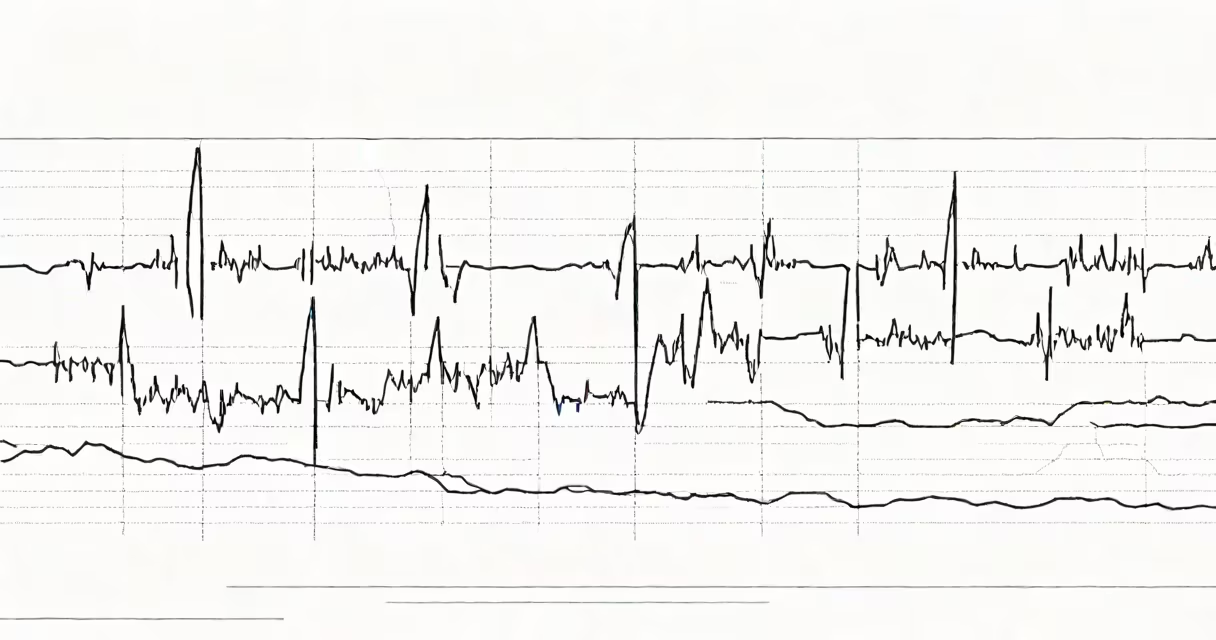
A long QT interval on an electrocardiogram (ECG) means your heart takes longer than normal to recharge between beats, increasing your risk of dangerous arrhythmias. This condition, called long QT syndrome, can lead to fainting spells or sudden cardiac arrest.
The QT interval measures the time between the start of ventricular contraction and the end of relaxation. A prolonged QT interval suggests delayed repolarization, where the heart muscle takes too long to reset before the next beat. This delay can trigger chaotic heart rhythms like torsades de pointes, a form of ventricular tachycardia.
| Type | Gene Involved | Key Features |
|---|---|---|
| LQT1 | KCNQ1 | Triggered by exercise or stress |
| LQT2 | KCNH2 | Triggered by emotional stress or sudden loud noises |
| LQT3 | SCN5A | Triggered during rest or sleep |
These genetic mutations affect potassium and sodium channels in heart cells, disrupting their normal electrical activity (American Heart Association, 2023).
Doctors diagnose long QT syndrome using ECGs, genetic testing, and family history. Treatment includes beta-blockers, implantable cardioverter-defibrillators (ICDs), or lifestyle changes to avoid triggers. For example, a patient with LQT2 might avoid startling noises or stressful situations.
Many people confuse long QT syndrome with other heart conditions like long Covid, which may cause fatigue and brain fog but not typically affect heart rhythms. Unlike long Covid, long QT syndrome primarily impacts the heart's electrical system.
During my time volunteering at a cardiac clinic, I observed how patients with long QT syndrome required careful monitoring. One patient, diagnosed with LQT1, had to avoid competitive sports but managed symptoms effectively with medication and lifestyle adjustments.