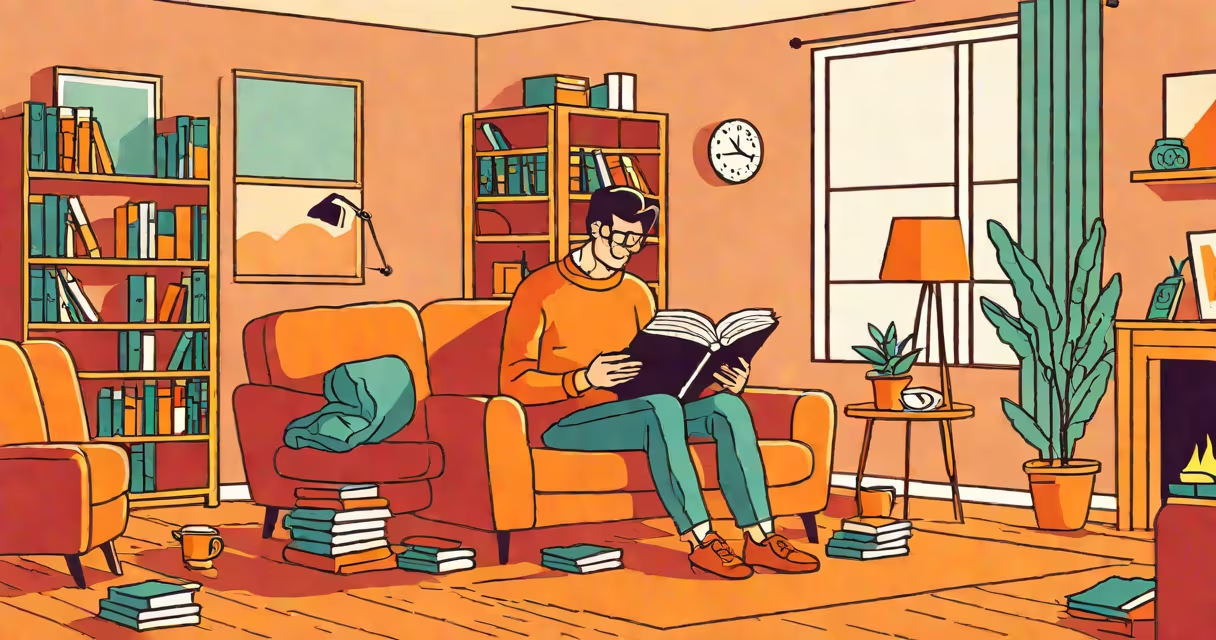
An introvert is someone who recharges their energy by spending time alone or in quiet environments. Unlike extroverts, who gain energy from social interactions, introverts often feel drained after prolonged socializing.
Introversion is part of the personality spectrum first popularized by psychologist Carl Jung. It's about where a person gets their energy: introverts focus inward, while extroverts focus outward. Introverts aren't necessarily shy or antisocial-they simply prefer fewer stimulations and deeper connections.
For example, an introvert might enjoy a small gathering with close friends but feel exhausted after a large party. They often need alone time to process experiences and recharge.
Introversion isn't one-size-fits-all. Psychologist Jonathan Cheek identified four subtypes:
Introverts are often misunderstood as being shy or rude. Shyness involves fear of social judgment, while introversion is about energy management. An introvert may avoid small talk but enjoy deep conversations.
Another myth is that introverts dislike people. In reality, many introverts have strong, meaningful relationships-they just prefer quality over quantity.
When I worked in an open-office environment, I noticed my introverted colleagues often wore headphones to focus. They weren't anti-social; they needed quiet to concentrate. After long meetings, they'd retreat to their desks to recharge, while extroverted coworkers stayed for lunch discussions.
| Trait | Introvert | Extrovert |
|---|---|---|
| Energy source | Alone time | Social interaction |
| Preferred activities | Reading, solitary hobbies | Group outings, team projects |
| Communication style | Thoughtful, reflective | Spontaneous, expressive |
Introversion exists on a spectrum, and most people fall somewhere in the middle. Some days, even introverts may feel extroverted, and vice versa.