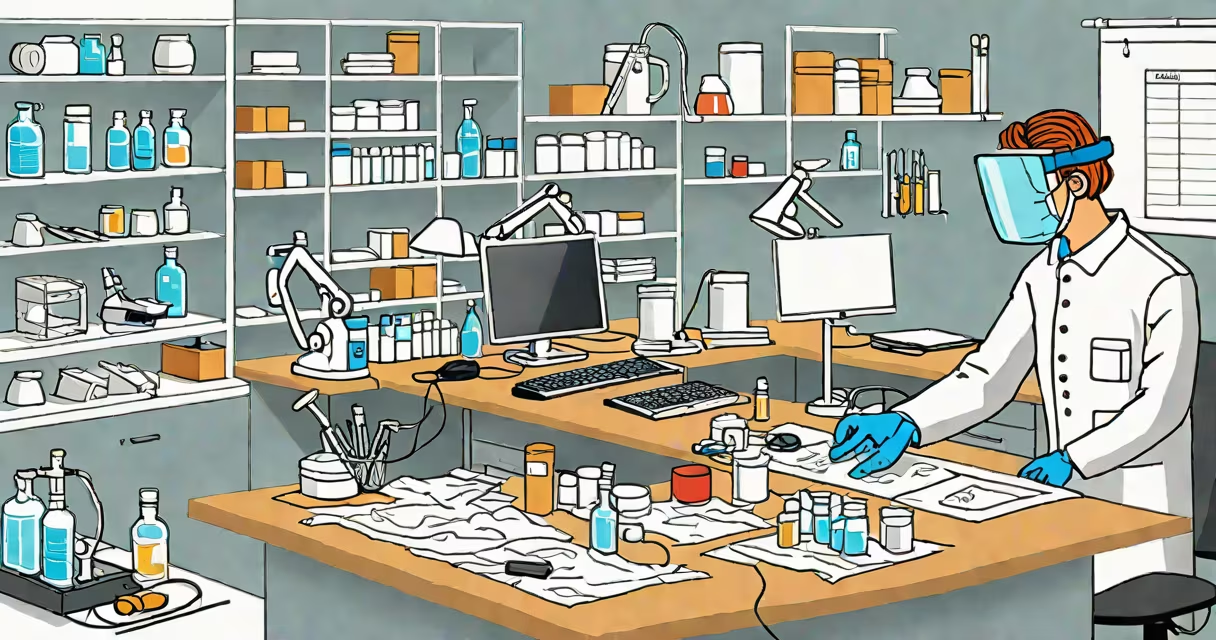
A clinical technician performs diagnostic tests on blood, tissue, and other bodily fluids to help doctors diagnose and treat diseases. They work in labs, hospitals, and clinics, operating specialized equipment and following strict safety protocols.
Clinical technicians collect samples from patients, prepare them for testing, and analyze the results using microscopes, centrifuges, and automated analyzers. They document findings accurately and report anomalies to pathologists or physicians. Their work ensures timely and precise diagnoses, which are important for effective treatment plans.
| Type | Key Responsibilities | Work Environment |
|---|---|---|
| Clinical Laboratory Technician | Perform routine tests like complete blood counts (CBCs) and urinalyses | Hospitals, private labs |
| Medical Laboratory Technologist | Conduct complex tests, such as blood bank testing and microbiology cultures | Research labs, universities |
| Phlebotomist | Draw blood samples for testing | Doctors' offices, blood donation centers |
Clinical technicians work in various settings, including hospitals, diagnostic laboratories, and research institutions. Their role is critical in preventing and diagnosing diseases early, reducing hospital stays, and lowering healthcare costs. For example, a technician might detect high cholesterol levels during a routine blood test, prompting early intervention and preventing heart disease.
In a typical day, a clinical technician might start by collecting blood samples from patients in a hospital's outpatient clinic. They then label and transport these samples to the lab, where they prepare them for analysis. Using a centrifuge, they separate plasma from red blood cells. Next, they perform a CBC to check for infections or anemia. If results show abnormal findings, the technician alerts the attending physician immediately, ensuring prompt medical action.
During my internship at a local hospital, I shadowed a clinical technician who demonstrated how to operate a hematology analyzer. The machine measures different components of blood, such as red and white blood cells. The technician emphasized the importance of calibration and quality control to ensure accurate results. This hands-on experience highlighted the precision and attention to detail required in the role.
Many people mispronounce "technician," often saying "tech-NISH-un" instead of the correct pronunciation, "tech-NI-shun." Proper pronunciation is important for clear communication in professional settings.