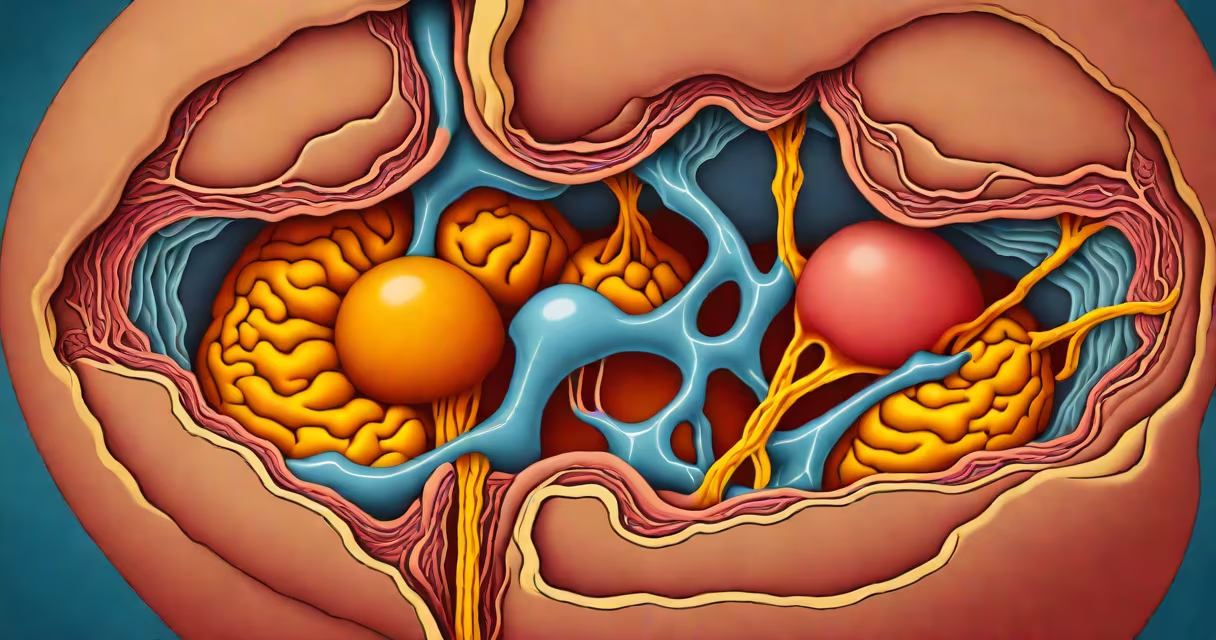
A dermoid cyst is a benign tumor containing various types of tissue, including hair, teeth, or skin. These cysts typically appear as small, slow-growing lumps under the skin.
Dermoid cysts develop from abnormal cell growth during embryonic development. They often contain well-differentiated cells, meaning they resemble normal tissues found elsewhere in the body. The most common locations for dermoid cysts are the ovaries, head, neck, and along the spine.
Dermoid cysts can be categorized based on their location and contents:
| Type | Location | Common Contents |
|---|---|---|
| Ovarian dermoid cyst | Ovaries | Hair, teeth, skin, and sometimes thyroid tissue |
| Cutaneous dermoid cyst | Head, neck, or spine | Skin, hair, and sometimes bone |
Many people confuse dermoid cysts with other types of cysts or tumors. For instance, a dermoid cyst is often mistaken for a sebaceous cyst, which contains sebum (oil) rather than differentiated tissues., some may mistake dermoid cysts for lipomas, which are fatty lumps that lack the varied tissue composition seen in dermoid cysts.
Consider a 25-year-old woman who notices a small, painless lump on her scalp. Upon examination, the lump is firm and doesn't move when pressed. An ultrasound reveals the presence of hair and teeth within the lump, confirming it as a cutaneous dermoid cyst. This example highlights the typical presentation and diagnostic process for dermoid cysts.
Dermoid cysts are generally harmless but can cause complications if they grow large enough to press on nearby structures. Treatment usually involves surgical removal, especially if the cyst is causing symptoms or is located in a sensitive area. Regular monitoring and consultation with a healthcare provider are essential for managing dermoid cysts effectively.