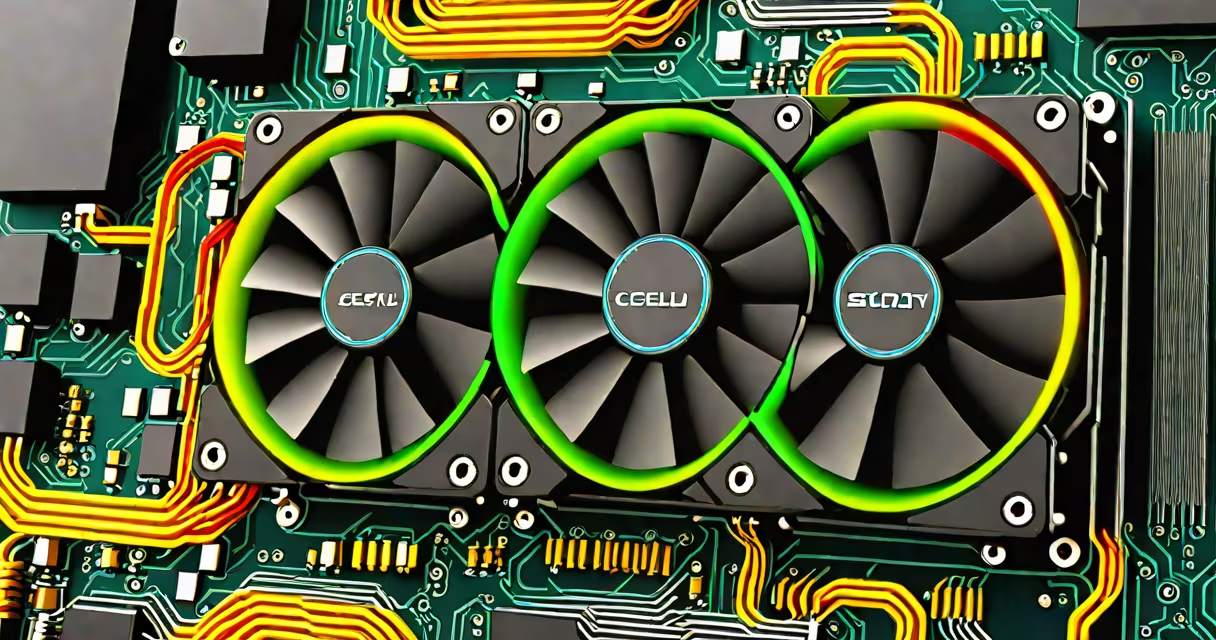
A CPU cooler is a hardware component that removes heat from your computer's central processing unit (CPU) to prevent overheating and maintain optimal performance. It consists of a heat sink, fan, and sometimes liquid cooling components.
When your CPU processes data, it generates heat. The cooler transfers this heat away from the CPU using a combination of conduction, convection, and sometimes liquid circulation. A heat sink absorbs the heat, while a fan blows air across the fins to dissipate it.
There are two primary types of CPU coolers:
Overheating can cause your CPU to throttle its performance, leading to slower processing speeds and potential system crashes. Long-term overheating can damage the CPU and reduce its lifespan. A good cooler ensures your CPU runs at peak performance for longer.
Some people believe that any cooler will work for any CPU, but this is not true. Each CPU has specific mounting mechanisms and cooling requirements. Always check compatibility before purchasing a cooler.
Another misconception is that liquid coolers are always better than air coolers. While liquid coolers are more efficient, they are also more complex and costly. For most users, a high-quality air cooler is sufficient.
When selecting a CPU cooler, consider factors such as your CPU model, case size, and cooling needs. High-performance CPUs, like those used for gaming or video editing, require more solid cooling solutions.
For more details on how a CPU works and why cooling is essential, see our guide on how a CPU works.
A CPU cooler is essential for maintaining your computer's performance and longevity. Whether you choose an air or liquid cooler, ensure it matches your CPU's specifications and cooling demands.