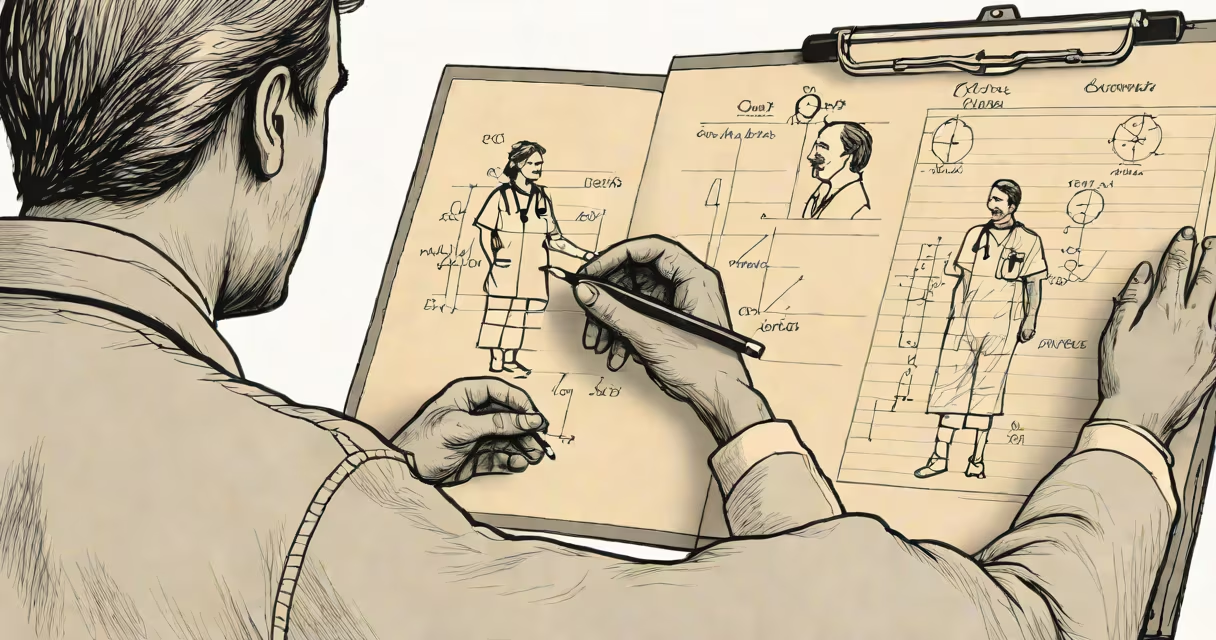
A Doctor of Nursing Practice (DNP) is an advanced practice nurse with a doctoral degree who provides specialized patient care, designs healthcare systems, and educates future nurses. DNPs work in clinical settings, academic institutions, and healthcare administration.
DNPs use evidence-based practices to improve patient outcomes. They diagnose illnesses, prescribe medications, and develop treatment plans. Unlike medical doctors, DNPs focus on complete care, emphasizing prevention and patient education.
For example, a DNP working in primary care might manage chronic conditions like diabetes by creating personalized diet and exercise plans alongside medication management.
| Type | Focus Area | Example Role |
|---|---|---|
| Clinical Nurse Specialist | Specialized patient care | Cardiology, oncology |
| Nurse Practitioner | Primary and specialty care | Family practice, pediatrics |
| Certified Nurse Midwife | Women's health and childbirth | Prenatal care, delivery |
| Certified Registered Nurse Anesthetist | Anesthesia administration | Surgical procedures |
DNPs work in hospitals, private practices, academic institutions, and government agencies. According to the American Association of Colleges of Nursing, DNPs are increasingly taking on leadership roles in healthcare systems due to their advanced training in both clinical care and healthcare policy.
Many people confuse DNPs with medical doctors (MDs) or physician assistants (PAs). While all three roles involve patient care, DNPs have a unique focus on complete, patient-centered care and often emphasize preventive measures and patient education more than MDs or PAs.
Another misconception is that DNPs only work in clinical settings. In reality, many DNPs work in academia, research, or healthcare administration. For example, a DNP might teach at a nursing school or work as a healthcare consultant, designing new systems to improve efficiency and patient outcomes.
During my time shadowing a DNP in a community health clinic, I observed how they spent equal time diagnosing patients and educating them on managing their conditions at home. This dual focus on immediate care and long-term health management is a sign of the DNP role.
A Doctor of Nursing Practice combines advanced clinical skills with a focus on improving healthcare systems. Whether providing direct patient care, teaching the next generation of nurses, or designing new healthcare policies, DNPs play a important role in modern healthcare.