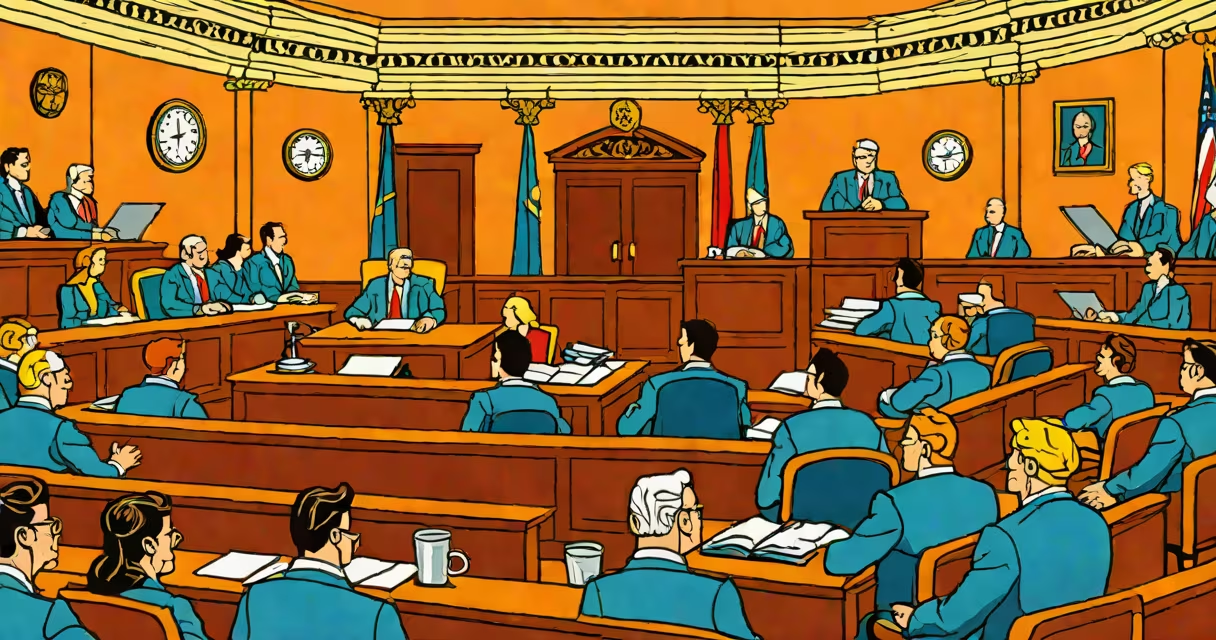
A lawsuit is a legal process involving a plaintiff who files a formal complaint against a defendant, followed by structured steps including discovery, motions, and potentially a trial. The process varies by case type but follows core procedural rules.
The lawsuit process begins when a plaintiff files a complaint with the court, outlining their legal claims and requested relief. The defendant then responds, typically with an answer or motion to dismiss. Both sides exchange evidence during discovery, which may include interrogatories, depositions, and document requests. The case proceeds through pretrial motions, settlement negotiations, and possibly a trial. Judgments can be appealed if either party disagrees with the outcome.
Lawsuits fall into several categories, each with distinct characteristics:
| Type | Description | Example |
|---|---|---|
| Civil Lawsuit | Disputes between private parties seeking monetary damages or specific actions | A car accident victim suing for medical expenses |
| Criminal Case | Prosecution by the government against individuals accused of crimes | The state charging someone with theft |
| Class Action | Multiple plaintiffs with similar claims join as one lawsuit | Customers suing a company for defective products |
Consider a personal injury case where a pedestrian is hit by a car. The pedestrian (plaintiff) files a complaint detailing injuries, medical costs, and lost wages. The driver (defendant) responds with an answer admitting fault but disputing damages. During discovery, both sides share medical records and witness statements. The plaintiff's attorney may request a deposition from the driver. If the case doesn't settle, it goes to trial, where a jury decides fault and compensation. The plaintiff might receive a judgment for $500,000 in damages.
Lawsuits provide a structured way to resolve conflicts fairly. They hold individuals and organizations accountable for harm, enforce contracts, and protect rights. Without lawsuits, wrongdoers could act with impunity, and victims would lack recourse. The process ensures due process and equal treatment under the law.
For example, lawsuits have exposed corporate misconduct, led to safer products, and compensated victims of negligence. They also set legal precedents that guide future cases. While the process can be lengthy and costly, it remains essential for justice.