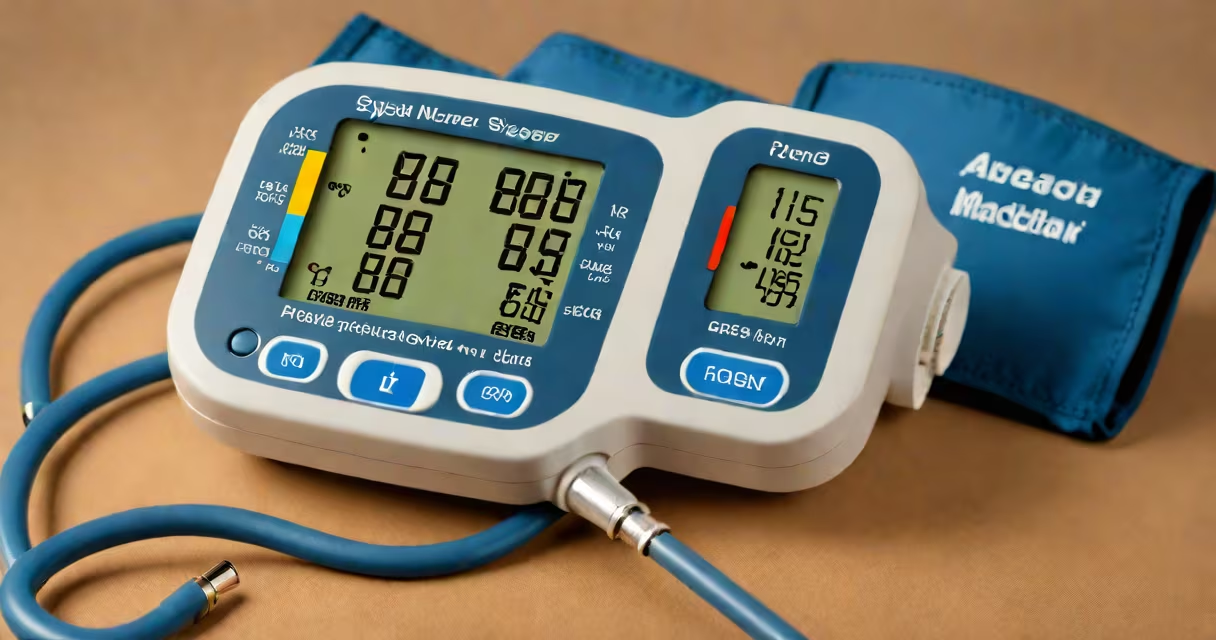
A high systolic number-typically 130 mmHg or higher-indicates elevated blood pressure, often linked to cardiovascular risks when sustained. This measurement reflects the pressure in your arteries when your heart beats.
Blood pressure is recorded as two numbers: systolic (top number) and diastolic (bottom number). Systolic measures the force when your heart pumps blood, while diastolic measures pressure between beats. A reading of 120/80 mmHg is considered normal.
High systolic blood pressure, or isolated systolic hypertension, often results from aging arteries, which lose elasticity over time. Other factors include obesity, high-sodium diets, chronic stress, and genetic predisposition. Secondary causes may include kidney disease or hormonal imbalances.
Chronic high systolic blood pressure strains the heart, increasing risks of heart attack, stroke, and kidney damage. The American Heart Association warns that even slightly elevated levels (120-129 mmHg) can raise long-term cardiovascular risks.
For context, a 2018 study published in the Journal of the American Medical Association found that people with systolic readings consistently above 140 mmHg had double the risk of heart disease compared to those with readings below 120 mmHg.
Doctors diagnose high systolic blood pressure through multiple readings over time. Treatment may include lifestyle changes-such as exercise, reduced sodium intake, and stress management-or medications like ACE inhibitors or diuretics. Regular monitoring is critical.
I once helped a family member track their blood pressure for a month. Their systolic readings fluctuated between 135 and 145 mmHg. After adjusting their diet and adding daily walks, their readings dropped to the 120s within six weeks.
Many assume only diastolic pressure matters, but systolic is a stronger predictor of cardiovascular events in older adults. Another myth is that high blood pressure always causes symptoms-often called the "silent killer," it frequently goes unnoticed until complications arise.
Consult a doctor if your systolic reading is consistently above 130 mmHg, especially if accompanied by headaches, shortness of breath, or chest pain. Early intervention can prevent serious health issues.