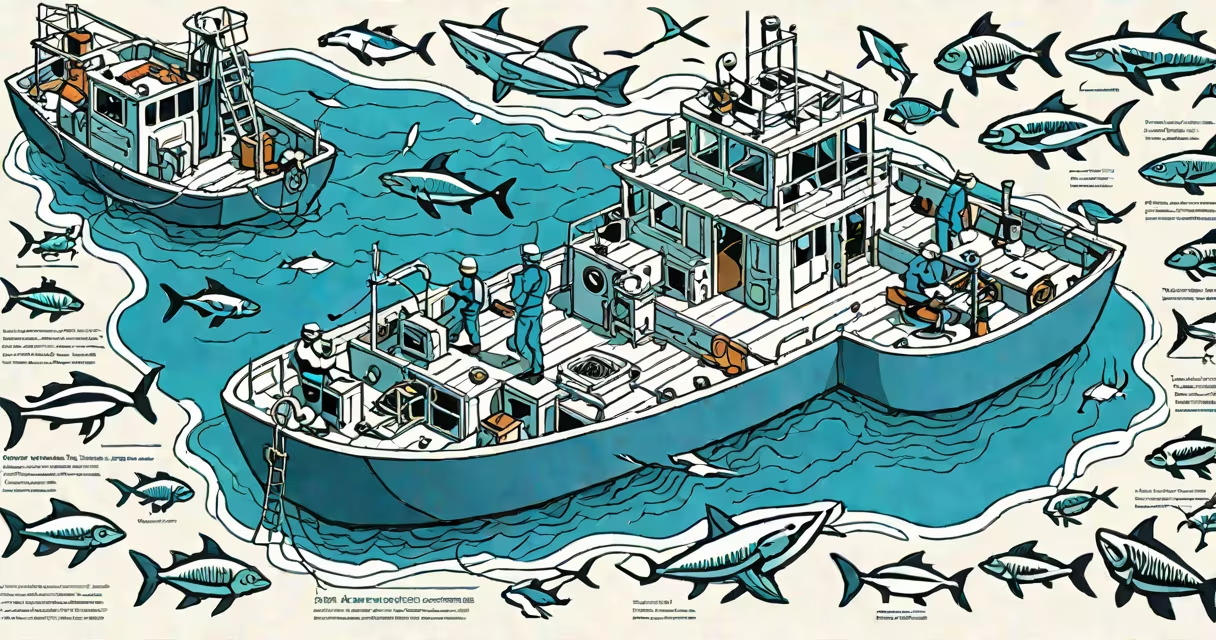
A marine conservationist protects ocean ecosystems and marine species through scientific research, policy advocacy, and community engagement. Their work spans fieldwork, data analysis, and education to address threats like pollution, overfishing, and climate change.
Marine conservationists use a mix of science and activism. They collect data on marine habitats, track endangered species, and develop strategies to restore damaged ecosystems. For example, a conservationist might study coral reefs to identify diseases, then propose regulations to reduce human impact.
| Type | Example Task | Key Skill |
|---|---|---|
| Research | Monitoring sea turtle populations | Data analysis |
| Policy | Advocating for marine protected areas | Negotiation |
| Education | Running beach cleanup programs | Public speaking |
Marine conservationists work in diverse settings, including government agencies, nonprofits, and universities. Their efforts are critical because oceans cover 71% of Earth's surface and support 80% of life on the planet. Without conservation, threats like plastic pollution and overfishing could devastate marine biodiversity.
For instance, the National Oceanic and Atmospheric Administration (NOAA) employs marine conservationists to manage fisheries and protect endangered species. Meanwhile, organizations like Oceana focus on policy changes to reduce ocean pollution.
Many people confuse marine conservationists with marine biologists. While both study marine life, conservationists focus on protecting ecosystems, whereas biologists often conduct pure research. A marine conservationist might work with policymakers to ban harmful fishing practices, while a marine biologist might study the genetics of a specific fish species.
Another misconception is that marine conservationists only work in remote locations. In reality, much of their work happens in labs, offices, and community centers. For example, a conservationist might spend weeks analyzing water samples in a lab before presenting findings to local governments.
Consider Dr. Emily Penn, a marine conservationist who founded eXXpedition, an all-women research initiative. Her team sails the globe to study ocean plastics and their impact on marine life. They collect data, publish research, and advocate for policy changes to reduce plastic pollution. This blend of science and activism is typical of marine conservation work.
I once attended a workshop led by a marine conservationist who demonstrated how to identify microplastics in seawater. The hands-on approach made the issue tangible and showed how conservationists engage the public in their work.