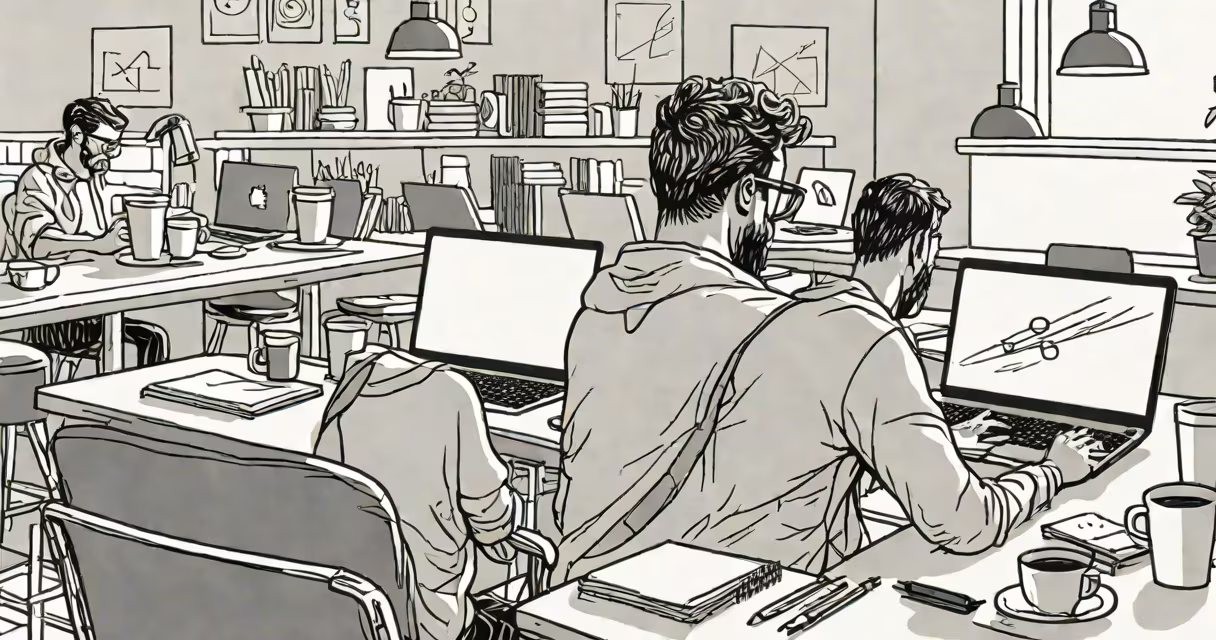
A gig in the gig economy is a single, short-term job or task performed by an independent worker. These workers, called gig workers, take on individual projects rather than long-term employment.
Gig work operates through digital platforms connecting freelancers with clients. Workers bid on projects or accept tasks posted by businesses. Payment is typically per project, hour, or task completion.
For example, a graphic designer might complete a logo design for a client through a platform like Upwork. The designer sets their rate, delivers the work, and gets paid upon approval.
Gig work spans various industries, including:
According to a Pew Research study, 77 million Americans have earned income from gig work.
Many confuse gig work with traditional freelancing or part-time employment. Unlike freelancers who often maintain long-term client relationships, gig workers typically handle discrete tasks without ongoing commitments.
Another misconception is that gig work lacks benefits. While most gig workers are independent contractors, some platforms offer limited benefits like health insurance or retirement plans.
Gig work offers flexibility and autonomy, allowing workers to choose projects and set their schedules. However, it often lacks job security, benefits, and stable income.
For businesses, gig work provides access to specialized skills on demand without the costs of full-time employees. However, managing a dispersed workforce can be complex.
I've used gig platforms as both a worker and a client. As a client, I hired a freelance writer through Upwork to create blog content. The process was straightforward: I posted the job, reviewed proposals, and selected a writer based on samples and rates. The writer delivered the content on time, and I paid upon completion. As a worker, I took on graphic design gigs, enjoying the flexibility to work on multiple projects simultaneously.