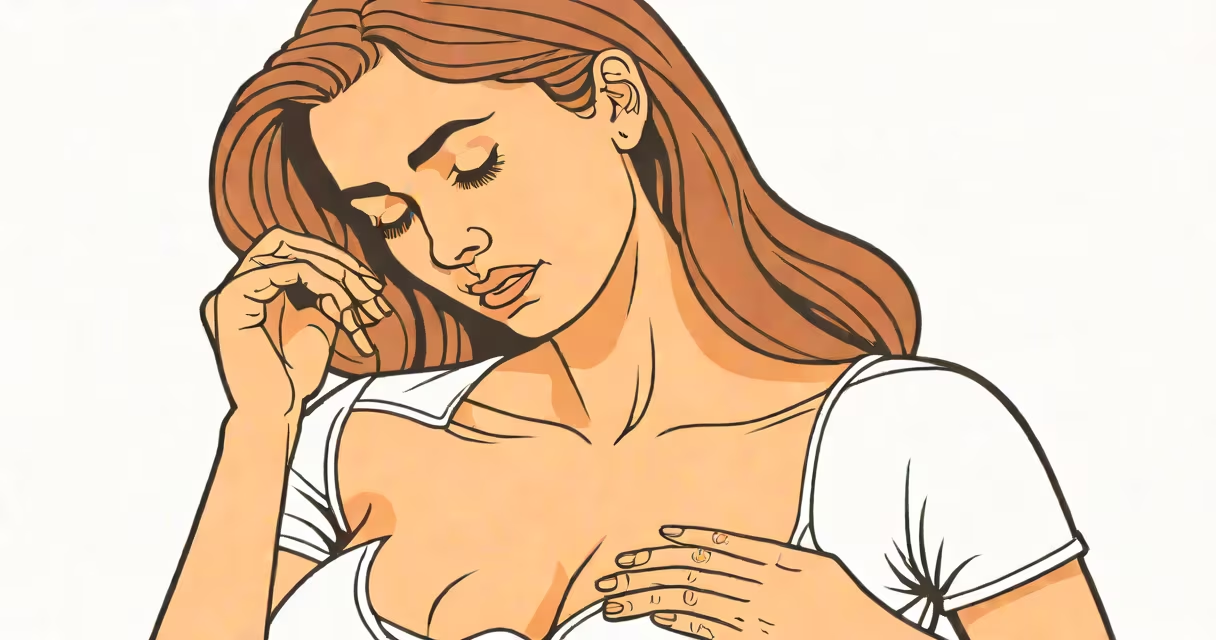
Breast soreness, or mastalgia, occurs when the breast tissue becomes tender, often due to hormonal fluctuations. This common condition affects most women at some point, typically tied to the menstrual cycle.
Hormonal changes during the menstrual cycle cause breast tissue to swell and become tender. Estrogen and progesterone levels rise before ovulation, increasing blood flow and fluid retention in breast tissue. This swelling can press on nerves, resulting in soreness.
Breast soreness can also occur during pregnancy, breastfeeding, or menopause due to similar hormonal shifts. Non-hormonal causes include infections, injuries, or medications like birth control pills.
Breast soreness falls into two categories:
| Type | Description |
|---|---|
| Cyclical | Linked to the menstrual cycle, usually occurring before menstruation. |
| Non-cyclical | Unrelated to the menstrual cycle, often caused by injury, infection, or other medical conditions. |
Cyclical breast soreness typically resolves on its own. Over-the-counter pain relievers, wearing a supportive bra, and reducing caffeine intake may help alleviate discomfort. For non-cyclical soreness, treating the underlying cause-such as an infection or injury-is essential.
If breast soreness persists for more than two weeks, worsens, or is accompanied by other symptoms like lumps, redness, or discharge, consult a healthcare provider. These could indicate conditions such as mastitis, fibrocystic breast changes, or other serious issues.
Persistent or severe breast soreness warrants a visit to a healthcare professional. A doctor can rule out conditions like breast cancer, especially if soreness is localized to one area or accompanied by other concerning symptoms.
For example, a woman experiencing persistent soreness in one breast along with a lump should seek immediate medical attention. Early detection and treatment of breast cancer improve outcomes.
Many people confuse breast soreness with other conditions, such as sore testicles in men, which can also result from hormonal changes or infections. However, breast soreness is specific to breast tissue and often cyclical in nature.
Another common misconception is that breast soreness always indicates a serious condition. While it can sometimes signal underlying issues, it is often a normal part of hormonal fluctuations.