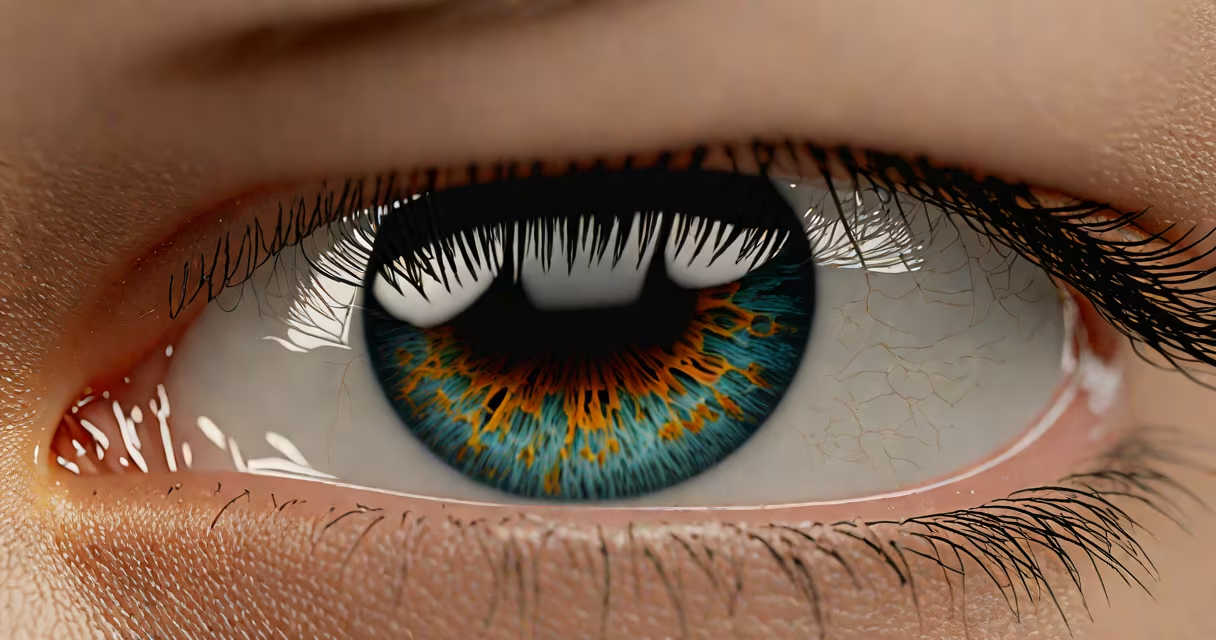
When eyes are dilated, the black center of the iris (the pupil) appears larger than normal. This happens due to the contraction of the radial muscles in the iris, controlled by the autonomic nervous system.
The pupil dilates in response to various stimuli, primarily controlled by light levels and emotional states. In low light, the pupil widens to allow more light to enter the retina. Conversely, in bright light, it constricts to protect the retina from damage.
Dilated pupils can result from several factors:
Many people think dilated pupils always indicate a medical issue. However, temporary dilation due to low light or emotional responses is normal. Permanent dilation in one eye, especially without an obvious cause, warrants a visit to an eye doctor.
If dilation occurs suddenly in one eye, persists without an obvious reason, or is accompanied by other symptoms like headache, vision changes, or nausea, it's important to consult a healthcare professional. These could indicate underlying conditions such as eye injuries, strokes, or brain hemorrhages.
For instance, a sudden dilation in one eye with no change in lighting could signal an issue with the oculomotor nerve, which controls pupil size. This is why regular eye exams are essential for detecting potential problems early.
Understanding what causes dilation and recognizing when it's abnormal can help maintain eye health. If you notice persistent or unexplained dilation, consider consulting an eye care professional for a thorough evaluation.