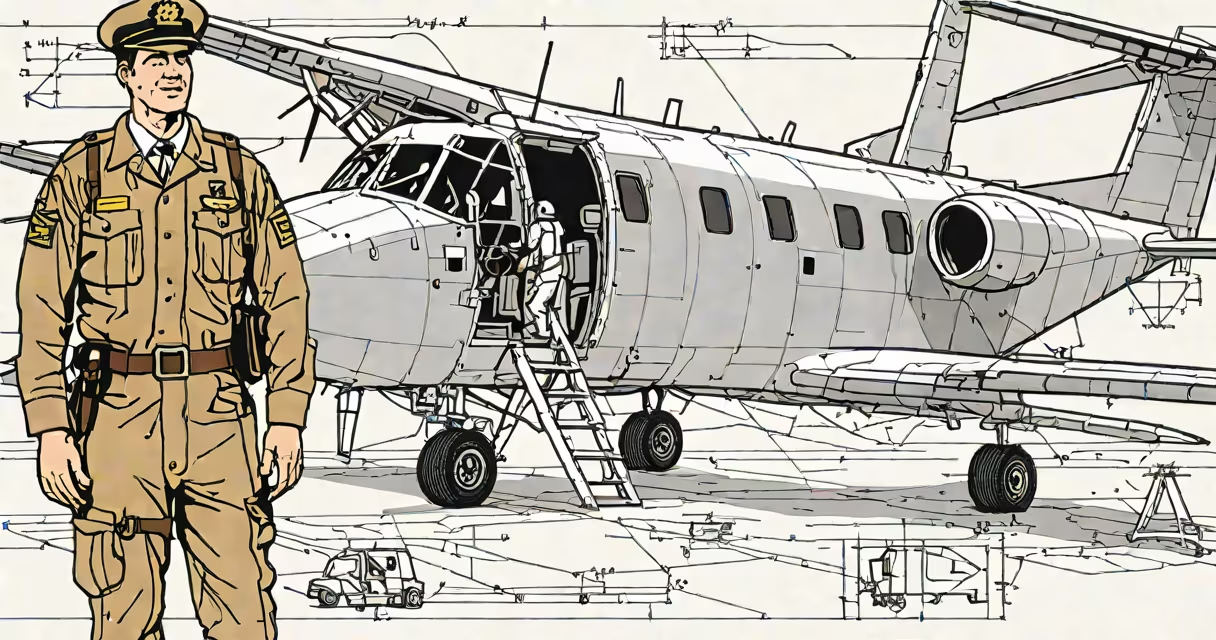
Becoming a pilot requires completing flight training, earning licenses, and gaining flight hours. The process includes education, medical exams, and passing written and practical tests.
To become a pilot, you'll need to earn licenses from the Federal Aviation Administration (FAA). The first step is obtaining a private pilot license (PPL), which allows you to fly small aircraft. Next, pilots typically pursue a commercial pilot license (CPL), enabling them to be paid for flying. Finally, airline pilots need an airline transport pilot (ATP) certificate, the highest level of aircraft pilot certification.
The FAA also offers additional ratings, such as instrument rating (flying in low visibility) and multi-engine rating (operating planes with more than one engine). These ratings expand a pilot's flying capabilities and job opportunities.
While some pilots enter the field through military training or flight schools, most pursue an aviation degree. A bachelor's degree in aviation covers flight training, aerodynamics, meteorology, and aircraft systems. Some pilots also earn degrees in related fields like aerospace engineering or aviation management.
Flight schools offer structured training programs, often combining classroom instruction with hands-on flight experience. Programs range from a few months to several years, depending on the license pursued.
Pilots must log a specific number of flight hours to qualify for each license. For example, a CPL requires at least 250 hours of flight time, while an ATP demands 1,500 hours. Many pilots gain experience by working as flight instructors, cargo pilots, or charter pilots before moving to commercial airlines.
Military pilots often have an advantage, as they accumulate extensive flight hours during service. Veterans can convert their military flight experience toward civilian licenses through FAA programs.
All pilots must pass an FAA medical exam to ensure they meet physical and mental health standards. The exam includes vision, hearing, and cardiovascular checks. Pilots must also undergo background checks and obtain security clearance for commercial flights.
Pilots must retake the medical exam periodically, typically every six months to one year, depending on their age and license type.
After earning an ATP certificate, pilots can apply to work for regional airlines, cargo companies, or corporate flight departments. With experience, they may advance to major commercial airlines or specialized roles like flight instructors or aviation consultants.
Some pilots choose to work internationally, requiring additional certifications and language proficiency. Others pursue advanced training to fly helicopters, jets, or even spacecraft.
If you're considering a career in aviation, research flight schools and programs to find the best fit. Many schools offer financial aid, scholarships, and partnerships with airlines to help students succeed.