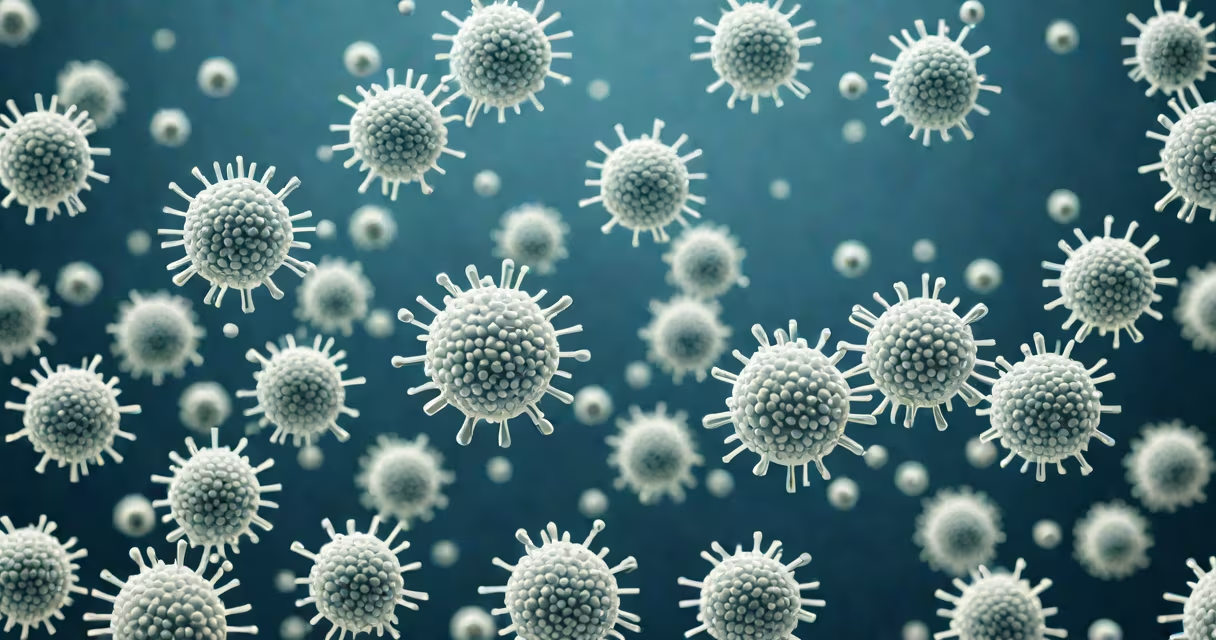
The immune system is your body's defense network that identifies and destroys harmful invaders like viruses, bacteria, and other pathogens. It's made up of specialized cells, tissues, and organs working together to protect you from infections and diseases.
The immune system operates through two main lines of defense: innate immunity and adaptive immunity. Innate immunity provides immediate but nonspecific protection, while adaptive immunity develops over time and targets specific threats.
When a pathogen enters your body, innate immune cells like neutrophils and macrophages quickly respond to destroy the invader. Adaptive immunity involves lymphocytes-B cells and T cells-that recognize and remember specific pathogens for faster responses in the future.
For example, when you get a cold, your innate immune system fights off the virus immediately. If you encounter the same virus again, your adaptive immune system recognizes it and responds more efficiently, often preventing illness.
The immune system includes several key components:
Many people think the immune system only fights off infections, but it also plays a role in detecting and destroying cancer cells., autoimmune disorders occur when the immune system mistakenly attacks healthy cells, causing conditions like rheumatoid arthritis or lupus.
Another misconception is that cold weather weakens the immune system. While cold weather doesn't directly affect immunity, people tend to stay indoors more, increasing exposure to viruses spread through close contact.
To maintain a strong immune system, focus on a balanced diet rich in vitamins and minerals, regular exercise, adequate sleep, and stress management. Avoid smoking and excessive alcohol consumption, as they can weaken immune function.
If you're looking for ways to boost your immune system, consider incorporating immune-supportive foods like citrus fruits, garlic, ginger, and leafy greens into your diet. Regular physical activity also enhances immune function by promoting circulation and reducing inflammation.
Antigens are molecules that trigger an immune response. They can be proteins, carbohydrates, or lipids found on the surface of pathogens or other foreign substances. When the immune system encounters an antigen, it produces antibodies specific to that antigen, helping to neutralize the threat.
Sometimes, the immune system doesn't work as effectively as it should. This can result in frequent infections, slow healing, or chronic illnesses. Conditions like HIV/AIDS weaken the immune system, making the body more susceptible to infections and diseases.