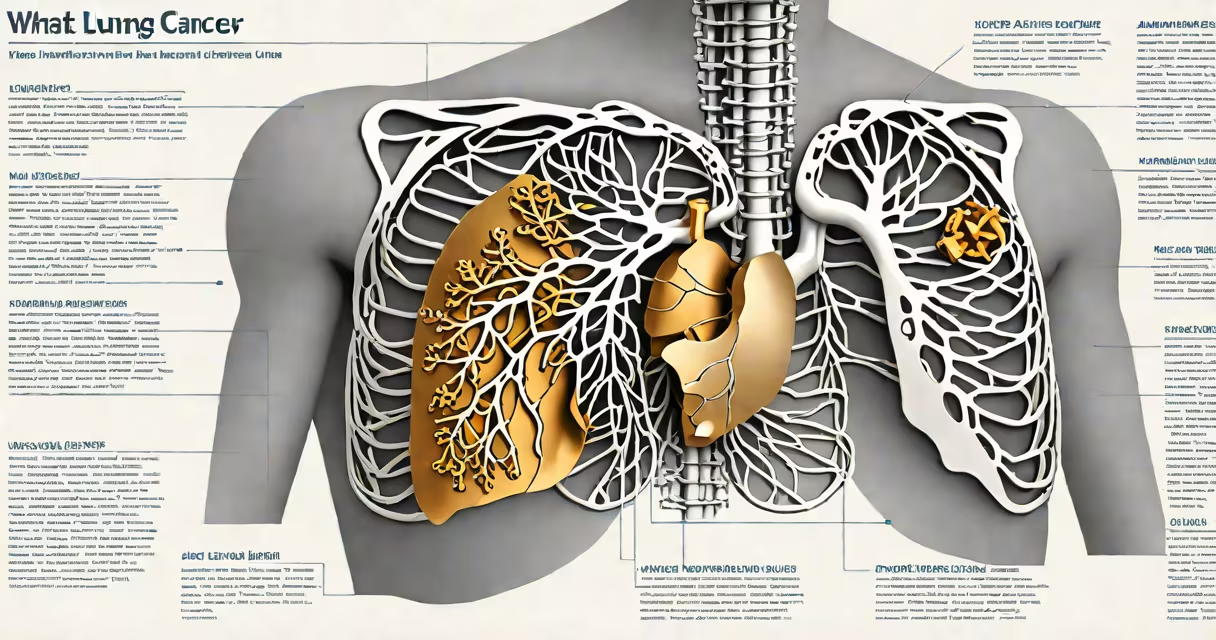
Lung cancer often begins with subtle, nonspecific symptoms that many people mistake for common ailments like colds or allergies. Early signs typically include persistent coughing, shortness of breath, and chest discomfort.
Unlike other cancers, lung cancer rarely causes noticeable symptoms in its earliest stages. As the tumor grows, it may press on nerves or airways, triggering sensations like pain or breathing difficulties. The American Cancer Society notes that symptoms usually appear only when the disease is more advanced.
Early lung cancer symptoms vary but often include:
Some people experience fatigue or weakness that doesn't improve with rest. These symptoms can resemble those of other conditions, making early detection difficult.
Many people assume lung cancer always causes severe pain or obvious breathing problems right away. In reality, early-stage lung cancer often produces mild, easily overlooked symptoms. A study published in the journal Cancer found that 60% of patients had symptoms for months before diagnosis.
If you experience a persistent cough lasting more than three weeks, unexplained weight loss, or chronic shortness of breath, consult a healthcare provider. Early detection improves treatment outcomes. The National Cancer Institute recommends regular screenings for high-risk individuals, such as long-term smokers.
I once knew someone who dismissed their persistent cough as seasonal allergies for months before seeking medical attention. By the time they were diagnosed, the cancer had spread. This experience underscores the importance of paying attention to unusual or persistent symptoms.