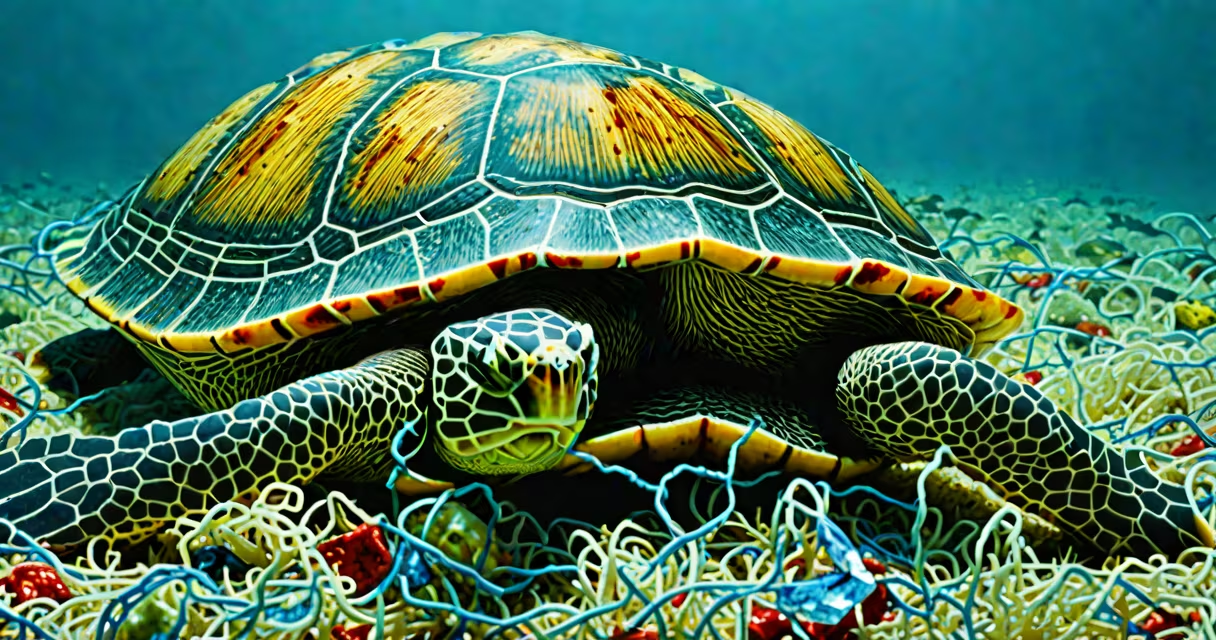
Plastic damages the environment through pollution, wildlife harm, and microplastic contamination. These effects persist because plastic takes centuries to decompose.
Plastic pollution enters ecosystems through litter, improper disposal, and microplastics. Over 8 million tons of plastic enter oceans yearly, according to the Ocean Conservancy. Wildlife ingests or gets entangled in plastic, leading to injury or death. Microplastics-tiny plastic particles-contaminate soil and water, entering the food chain.
The primary sources of plastic pollution are single-use plastics, fishing gear, and industrial waste. Single-use plastics like bags, bottles, and straws make up 36% of landfill waste, per the U.S. Environmental Protection Agency. Fishing nets and lines abandoned in oceans kill marine life through entanglement. Industrial plastic waste often ends up in waterways due to poor waste management.
Plastic doesn't biodegrade; instead, it photodegrades, breaking into smaller microplastics. These particles persist in the environment for hundreds of years. Microplastics have been found in drinking water, sea salt, and even human blood. A study published in Environmental Science & Technology detected microplastics in 94% of tap water samples globally.
Many believe recycling solves plastic pollution, but only 9% of plastic waste is recycled, according to National Geographic. Most plastic ends up in landfills or the environment. Another myth is that biodegradable plastics are safe-they still contribute to microplastic pollution. Bioplastics often require industrial composting to break down properly.
Plastic pollution is a global crisis requiring immediate action. Reducing single-use plastics, improving waste management, and supporting plastic-free alternatives can mitigate its environmental impact.