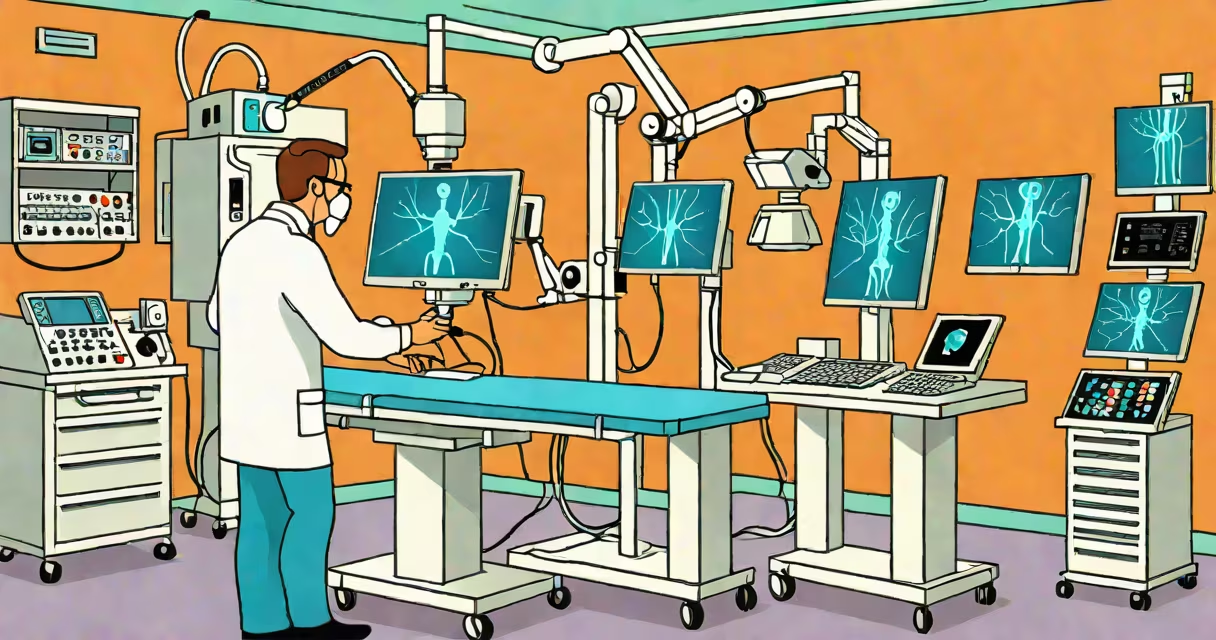
Rad tech stands for radiologic technologist, the healthcare professionals who operate imaging equipment to create diagnostic images. These specialists perform X-rays, MRIs, CT scans, and other medical imaging procedures under physician orders.
Radiologic technologists use specialized equipment to produce images of internal structures. For X-rays, they position patients and adjust equipment to capture clear images while minimizing radiation exposure. The process involves:
Modern digital systems allow technologists to improve and transmit images electronically to physicians for interpretation.
| Specialty | Primary Equipment | Typical Procedures |
|---|---|---|
| Radiographer | X-ray machines | Diagnostic X-rays, fluoroscopy |
| Sonographer | Ultrasound machines | Ultrasounds, Doppler studies |
| MRI technologist | MRI scanners | Magnetic resonance imaging |
| CT technologist | CT scanners | Computed tomography scans |
| Nuclear medicine technologist | Gamma cameras | Radioisotope imaging |
Most radiologic technologists work in hospitals, but they're also employed in:
The Bureau of Labor Statistics reports that about 60% of rad techs work in hospitals, with the rest distributed among these settings.
Many people confuse rad techs with radiologists. While both work in medical imaging, their roles differ:
Another misunderstanding is that all rad techs work exclusively with X-rays. In reality, many specialize in other imaging modalities like MRI or ultrasound.
I once shadowed a rad tech during a fluoro procedure. Watching them position the patient, adjust the equipment in real-time, and monitor the image quality was impressive - it required both technical skill and patient care.