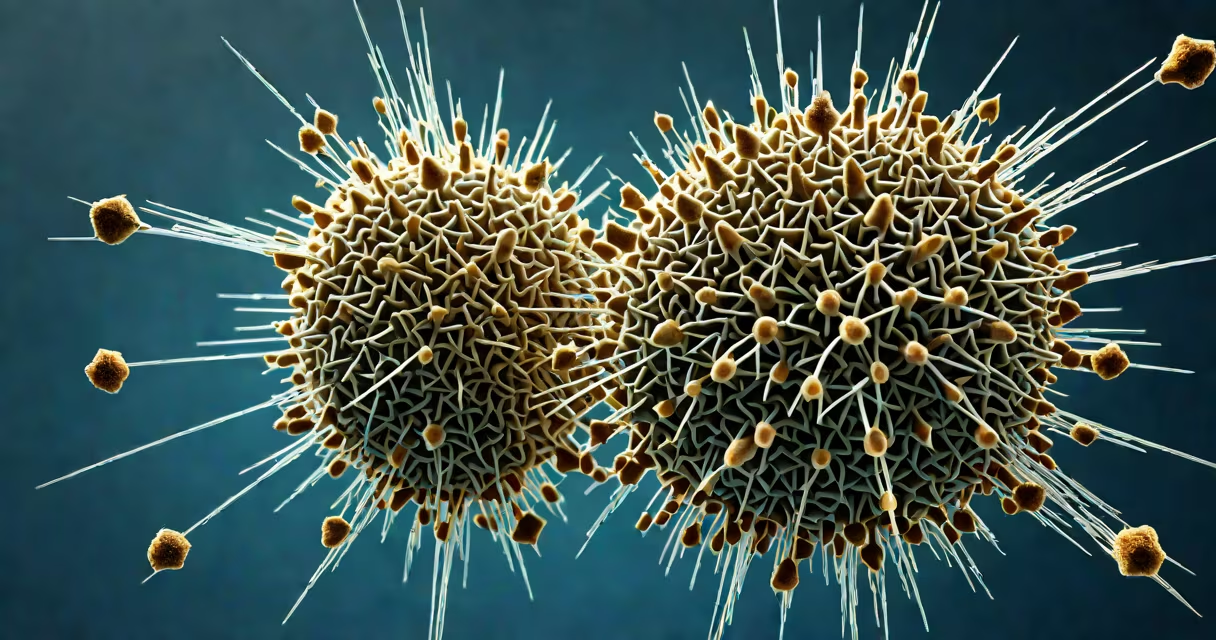
Rabies is a viral disease that attacks the brain and spinal cord, causing inflammation, paralysis, hallucinations, and almost certain death within days if untreated. The virus spreads through saliva, typically via animal bites.
The rabies virus travels along nerves to the brain, where it multiplies rapidly. This causes inflammation of the brain and spinal cord (encephalitis and myelitis). The virus then spreads to other organs, including the salivary glands, allowing it to transmit to new hosts.
Once symptoms appear, rabies is nearly always fatal. The disease progresses through distinct stages: prodromal, acute neurologic, and coma. Death usually occurs within 7-14 days after symptoms start.
Rabies manifests in two primary forms in humans:
| Type | Description | Duration |
|---|---|---|
| Furious rabies | Characterized by agitation, confusion, hydrophobia (fear of water), and violent movements. The person may experience hallucinations and insomnia. | 2-4 days |
| Paralytic rabies | Causes muscle weakness, paralysis, and coma. The person may not exhibit the classic signs of hydrophobia or agitation. | 4-6 days |
Rabies is found on all continents except Antarctica. It is most common in regions with large populations of unvaccinated dogs, such as parts of Africa, Asia, and Latin America. The virus is carried by wild animals like raccoons, skunks, foxes, and bats, which can transmit it to humans through bites.
The virus cannot survive outside a host for long, so transmission typically requires direct contact with infected saliva. This often happens through deep puncture wounds or scratches from an infected animal.
Many people believe that rabies can only be transmitted by foaming-mouth animals or aggressive behavior. However, even seemingly healthy animals can carry the virus. Some think that washing a bite wound with soap and water won't help, but studies show this can reduce the risk of infection.
Another myth is that all mammals can transmit rabies. In reality, small rodents like squirrels, hamsters, and guinea pigs rarely carry the virus., some assume that rabies always causes immediate aggression, but the incubation period can last weeks to months before symptoms appear.
If bitten by an animal suspected of having rabies, immediate medical attention is important. Washing the wound thoroughly with soap and water for at least 15 minutes can help remove the virus. Post-exposure prophylaxis (PEP), including rabies vaccine and immunoglobulin, can prevent the disease if administered promptly.
Pre-exposure vaccination is recommended for high-risk groups, such as veterinarians, animal handlers, and travelers to rabies-endemic areas. Unfortunately, once symptoms appear, there is no effective treatment, and the disease is almost always fatal. Research into treatments like the Milwaukee protocol has shown limited success but remains controversial.