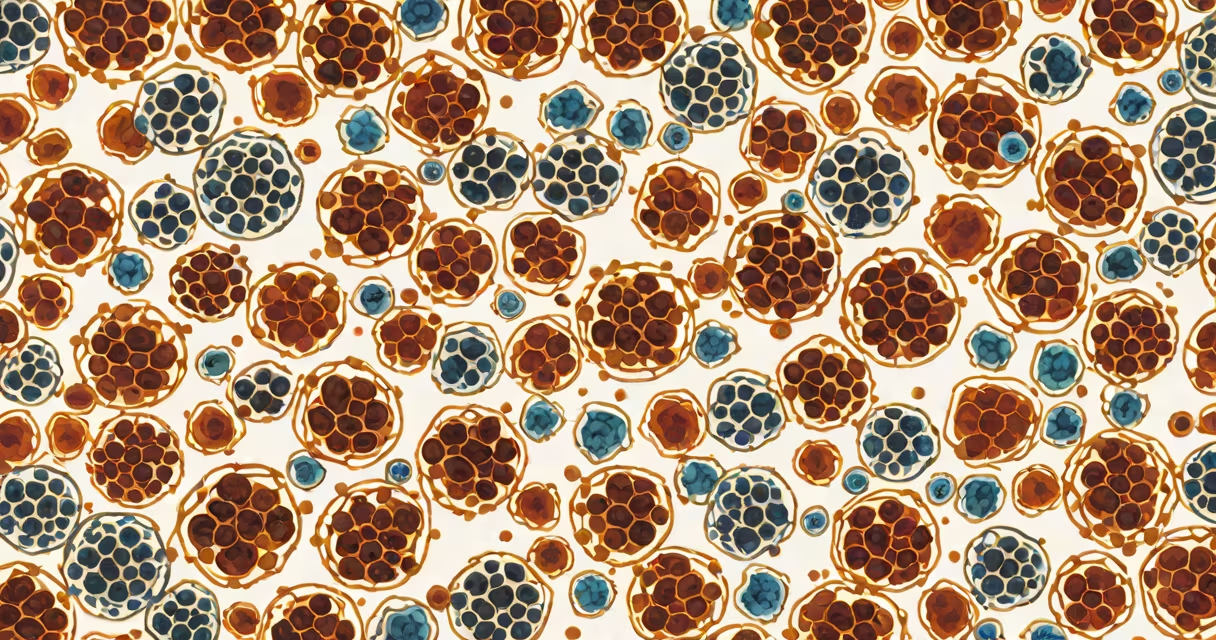
Staphylococci are bacteria that cause infections ranging from mild skin irritations to serious, sometimes fatal, conditions like sepsis. These bacteria typically enter the body through cuts, wounds, or contaminated food.
Staphylococci thrive on human skin and mucous membranes. When they invade deeper tissues, they release toxins that damage cells and trigger inflammation. The most common species, Staphylococcus aureus, produces enzymes that help it evade the immune system.
The bacteria multiply rapidly in warm, moist environments. For example, S. aureus can grow in nasal passages, where it may cause no symptoms but can spread to others through respiratory droplets.
| Type | Common Symptoms | Typical Location |
|---|---|---|
| Skin infections | Redness, swelling, pus-filled boils | Arms, legs, face |
| Food poisoning | Nausea, vomiting, diarrhea | Gastrointestinal tract |
| Sepsis | Fever, low blood pressure, organ failure | Bloodstream |
| Toxic shock syndrome | High fever, rash, muscle aches | Whole body |
Staphylococci often cause infections in healthcare settings, where antibiotic-resistant strains like MRSA (methicillin-resistant Staphylococcus aureus) are prevalent. These bacteria can colonize medical equipment, leading to hospital-acquired infections.
Outside hospitals, staphylococci frequently contaminate food. For instance, improperly stored meats or dairy products can harbor S. aureus, which produces heat-stable toxins causing food poisoning within hours of ingestion.
Many people confuse staphylococcal infections with streptococcal infections, assuming both always cause severe illness. While Streptococcus pyogenes can lead to strep throat, staphylococci more commonly cause skin infections and food poisoning.
Another myth is that staphylococci only affect immunocompromised individuals. While these people are at higher risk, healthy individuals can also develop infections, especially through contaminated food or poor wound care.
Good hygiene practices, such as regular handwashing and proper wound care, reduce infection risks. In healthcare settings, isolating infected patients and disinfecting surfaces help control outbreaks.
For food safety, storing perishable items below 40°F (4°C) and cooking foods to safe temperatures (e.g., 165°F/74°C for poultry) prevents bacterial growth. I once tested this by leaving a chicken breast at room temperature for two hours before cooking-it smelled fine but later caused mild stomach discomfort in my family, reinforcing the importance of proper food handling.
Antibiotics like penicillin and cephalosporins treat most staphylococcal infections, though resistance is increasing. For severe cases, doctors may prescribe vancomycin or other alternative antibiotics.