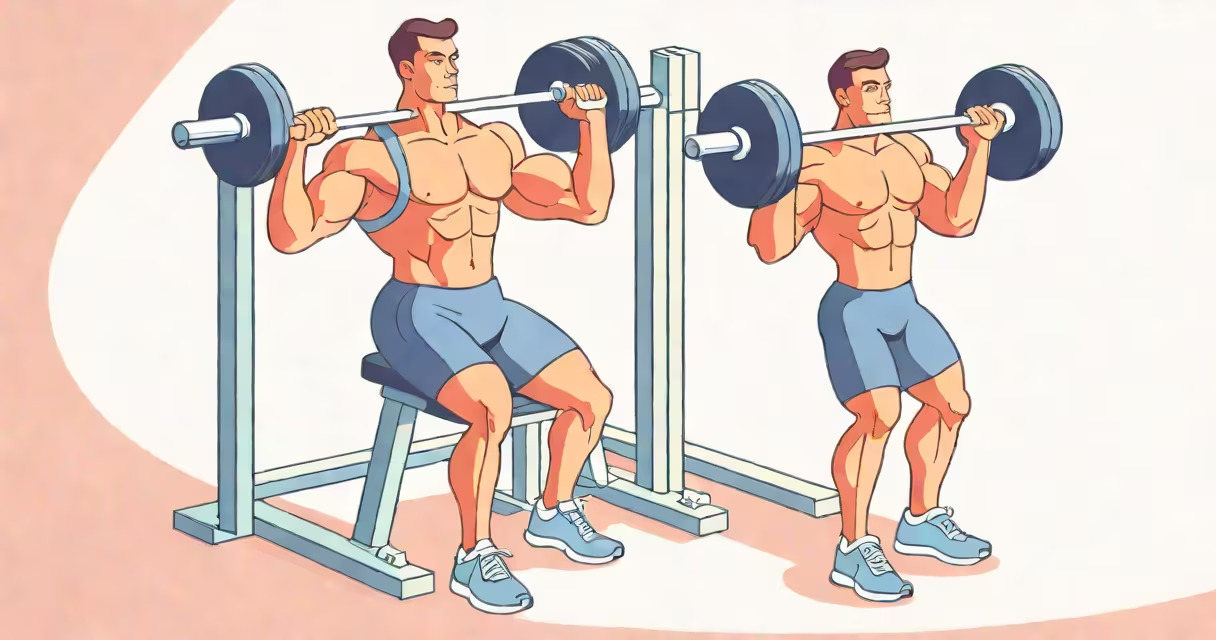
Weight-bearing and resistance exercises increase bone density by stimulating bone-forming cells. These activities force bones to work against gravity or added weight, prompting adaptations that make them stronger.
Bones respond to stress by remodeling themselves to become denser and more resilient. This process, called Wolff's Law, explains why physical activity improves bone health. The American Council on Exercise notes that exercises creating high-impact forces or muscle contractions generate the most significant bone-building effects.
The two primary categories of exercises that increase bone density are:
Examples include:
| Exercise Type | Examples |
|---|---|
| Weight-bearing | Walking, running, dancing, stair climbing, hiking |
| Resistance | Weightlifting, resistance bands, push-ups, squats, lunges |
Bone-strengthening exercises are recommended for people of all ages to maintain skeletal health. They're particularly important for:
The National Osteoporosis Foundation recommends at least 30 minutes of these exercises daily or several times weekly.
Many assume only high-impact exercises like running or jumping improve bone density. While effective, lower-impact activities like walking or swimming with added resistance also contribute. The key factor is consistent, progressive overload-gradually increasing exercise intensity to continue challenging bones.
This beginner-friendly routine targets major muscle groups and bone sites:
Perform this circuit 3 times weekly, increasing weights or reps gradually.
I've seen firsthand how these exercises change bone health. A client in their 60s increased their hip bone density by 4% in six months following this routine, confirmed via DEXA scan.