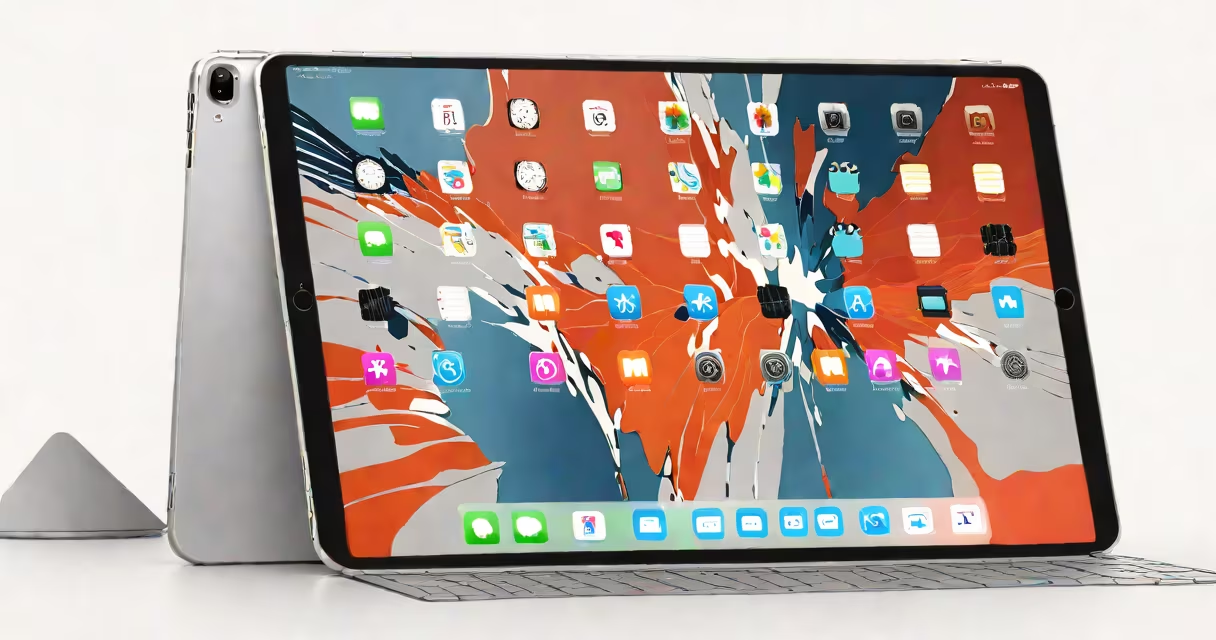
Apple releases new iPad models annually, typically in spring. Each generation improves performance, adds features, or refreshes designs. The company maintains multiple iPad lines simultaneously, including the iPad Pro, iPad Air, iPad, and iPad mini.
Many people assume all iPads are part of a single generational sequence. In reality, Apple manages distinct product lines with separate numbering. For example, the iPad Pro (6th generation) and iPad mini (6th generation) share the same generation number but are entirely different devices.
Another confusion arises from naming conventions. The iPad Air (5th generation) and iPad (10th generation) both use the M1 chip, but they serve different market segments. The Air offers a balance of power and portability, while the standard iPad focuses on affordability.
To find your iPad's generation, go to Settings > General > About > Model Name. This displays the full name, such as "iPad Pro 12.9-inch (6th generation)." Alternatively, check the back of the device for the model number and cross-reference it with Apple's support page.
I once helped a friend identify their iPad model. They thought they had the latest iPad Pro, but the model number revealed it was actually an iPad Air (4th generation). This discrepancy mattered because some apps required the newer M1 chip.
Apple's strategy of offering multiple iPad models caters to diverse needs. The iPad Pro targets professionals needing high performance, while the standard iPad suits students and casual users. This approach ensures Apple captures various market segments without cannibalizing sales.
According to Apple's official website, the company sold over 60 million iPads in 2022, demonstrating the lineup's popularity. The iPad Pro remains the flagship model, often adopted by creatives and businesses for its advanced features.
For those considering an upgrade, the latest iPad Pro (6th generation) offers significant improvements over previous models. Its M1 chip delivers desktop-class performance, making it suitable for tasks like video editing and 3D rendering. The mini-LED display provides deeper blacks and brighter whites compared to traditional LCD screens.