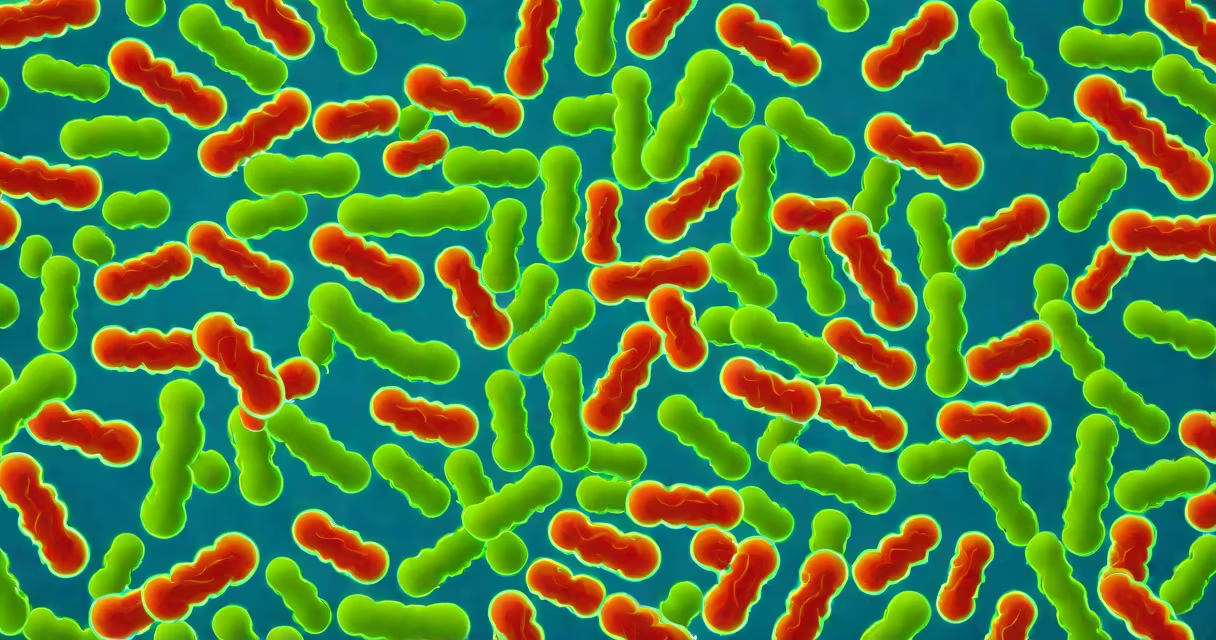
Untreated E. coli infections can lead to severe complications, including kidney failure and death. Without treatment, the bacteria multiply rapidly, spreading toxins that damage organs and overwhelm the immune system.
E. coli (Escherichia coli) is a common bacterium that usually lives harmlessly in the intestines. However, certain strains can cause severe food poisoning. When left untreated, the infection follows a predictable progression:
E. coli infections are often categorized by their severity and affected organs. The most dangerous strain, Shiga toxin-producing E. coli (STEC), causes the following complications when untreated:
| Complication | Impact | Timeframe |
|---|---|---|
| Hemolytic Uremic Syndrome (HUS) | Destroys red blood cells, causing kidney failure | 5-10 days after initial symptoms |
| Severe dehydration | Low blood pressure, organ failure | 1-3 days |
| Urinary tract infections | Kidney infections, sepsis | 3-7 days |
Many assume E. coli infections are mild, but untreated cases can be life-threatening. According to the Centers for Disease Control and Prevention (CDC), STEC causes around 265,000 infections yearly, with 36% requiring hospitalization.
One non-obvious risk is long-term kidney damage. Even if HUS is treated, survivors may develop chronic kidney disease, requiring lifelong dialysis. A 2011 study in the journal Clinical Infectious Diseases found that 12% of HUS patients developed end-stage renal disease within 5 years.
Consider a person who eats contaminated lettuce. Within 2 days, they develop bloody diarrhea and stomach cramps. If untreated, the infection progresses:
People often confuse E. coli infections with other illnesses due to overlapping symptoms:
If symptoms persist beyond 48 hours, seek medical attention immediately. Early treatment with antibiotics (for non-STEC strains) and hydration therapy can prevent severe outcomes.