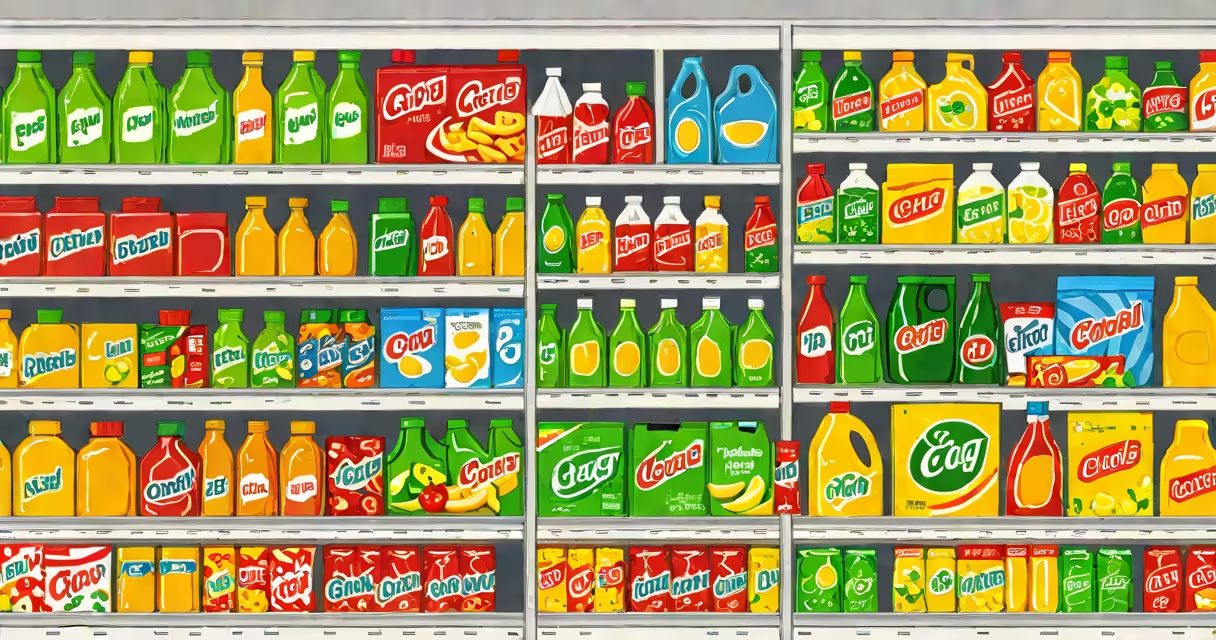
A CPG product is a consumer packaged good designed for quick turnover at retail, such as snacks, toiletries, or cleaning supplies. These items are typically inexpensive, frequently purchased, and have short shelf lives.
CPG stands for consumer packaged goods, also known as fast-moving consumer goods (FMCG). These products follow a predictable lifecycle: manufacturers produce them, distributors transport them, retailers sell them, and consumers use them quickly. The entire supply chain is optimized for speed and efficiency.
For example, a box of cereal moves from a manufacturing plant to a regional distribution center, then to a supermarket, and finally to a consumer's kitchen within days or weeks. This rapid turnover distinguishes CPGs from other retail categories like electronics or furniture, which may sit on shelves for months.
CPG products fall into several broad categories:
| Category | Examples | Typical Shelf Life |
|---|---|---|
| Food and Beverage | Snacks, drinks, frozen meals | Days to months |
| Personal Care | Toiletries, cosmetics, over-the-counter drugs | Months to years |
| Household Goods | Cleaning supplies, paper products | Months to years |
CPG products dominate grocery stores, convenience stores, and big-box retailers. Their high turnover makes them ideal for these environments, where frequent purchases drive consistent revenue. For instance, a typical American household buys groceries weekly, creating steady demand.
Manufacturers prioritize brand visibility and shelf placement because CPG products compete for limited retail space. A study by IRS Retail Performance found that products placed at eye level sell 30% better than those on lower or higher shelves.
Many people confuse CPG products with durable goods like appliances or electronics. Unlike CPGs, durable goods last years and require less frequent replacement. For example, a microwave might stay in a home for a decade, while a bag of chips is consumed within days.
Another misconception is that all CPG products are low-cost. While most are affordable, premium brands like organic snacks or luxury cosmetics command higher prices. These products still qualify as CPGs because they follow the same rapid turnover model.
If you're selling CPG products online, optimizing your Shopify store is important. Start by categorizing products and using high-quality images. Show key features like ingredients, expiration dates, and eco-friendly packaging to attract health-conscious shoppers.
For example, a store selling organic granola bars should emphasize certifications like "USDA Organic" and "Non-GMO Project Verified." These details help consumers make quick decisions, aligning with the fast-paced nature of CPG shopping.