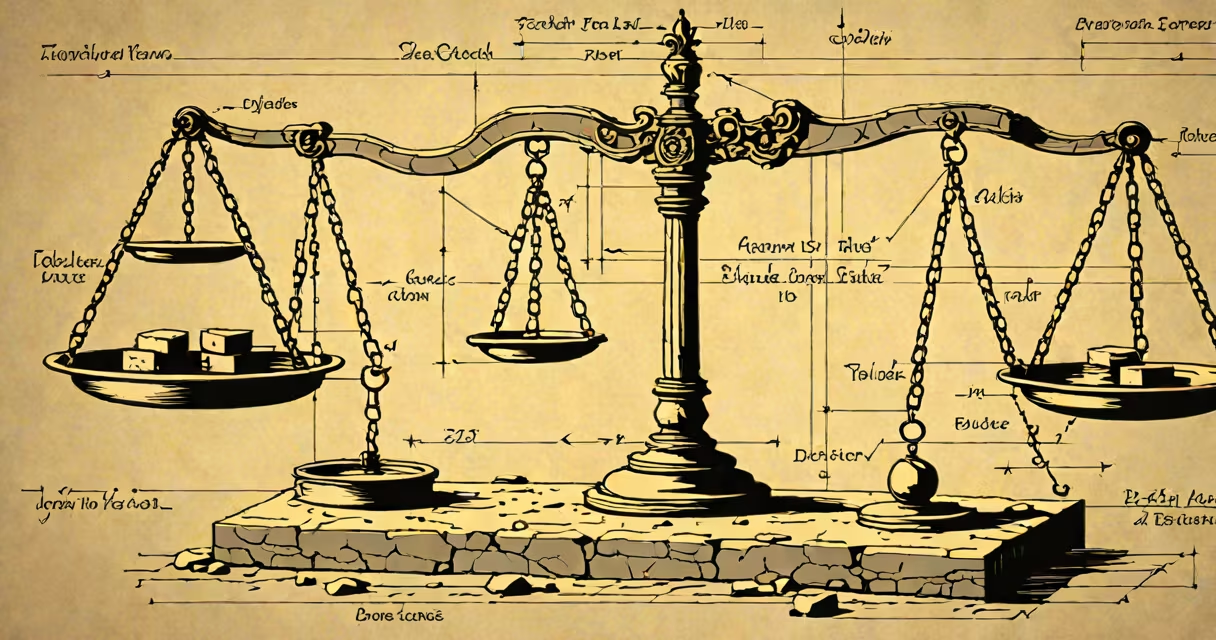
A false balance in the Bible is a dishonest measuring tool used to cheat others, explicitly condemned in passages like Proverbs 11:1. This metaphor extends beyond physical scales to represent any form of deceit or injustice.
The term appears in wisdom literature, often paired with themes of righteousness. A false balance manipulates weight or measure to give a false impression of quantity. For example, a merchant might use lighter weights when selling goods but heavier ones when buying, creating an unfair advantage.
| Type | Example | Scripture Reference |
|---|---|---|
| Physical Scales | Tampered weights | Proverbs 20:10 |
| Monetary Deceit | Counterfeit currency | Deuteronomy 25:15 |
| Verbal Manipulation | False promises | Proverbs 6:19 |
False balances were common in ancient markets, where traders sought profit through deception. The Bible highlights this practice to emphasize honesty and fairness as core virtues. Proverbs 11:1 states, "A false balance is an abomination to the Lord, but a just weight is his delight." This reflects God's concern for justice in all transactions.
Beyond commerce, the concept applies to any situation where truth is compromised for gain. For instance, a false balance could describe a lawyer twisting evidence or a politician distorting facts. The principle remains consistent: dishonesty disrupts societal trust and offends divine standards.
Some interpret "false balance" literally, assuming it only refers to physical scales. However, the Bible uses it metaphorically to address broader ethical issues. Another mistake is dismissing its relevance today, overlooking how similar practices persist in modern business and politics.
For example, inflation of product prices or manipulation of financial reports mirrors the ancient sin of false balancing. These actions harm consumers and erode public trust, just as they did in biblical times. Recognizing this connection helps modern readers apply the lesson to contemporary life.
Consider a farmer selling produce at a market. If he uses a weighted scale to make his goods appear heavier when selling, he commits the sin of a false balance. The buyer pays for more than they receive, creating an unfair exchange. This aligns with Deuteronomy 25:15, which commands, "You shall have honest weights and measures."
In my own experience, I once witnessed a street vendor adjusting a scale before weighing fruit. When confronted, he admitted to the practice, acknowledging it was wrong. This real-world encounter reinforced the timeless relevance of biblical teachings on honesty.
The false balance is linked to the principle of "an eye for an eye" (see here), which ensures fair retribution. Both concepts uphold justice, preventing exploitation. While the former addresses deceit in measurement, the latter focuses on proportional consequences for harm. Together, they form a structure for ethical behavior in all areas of life.
A false balance in the Bible represents dishonesty in measurements and dealings, a practice strongly condemned in Scripture. By understanding this concept, readers can apply its lessons to modern situations, ensuring fairness in their own lives and communities.