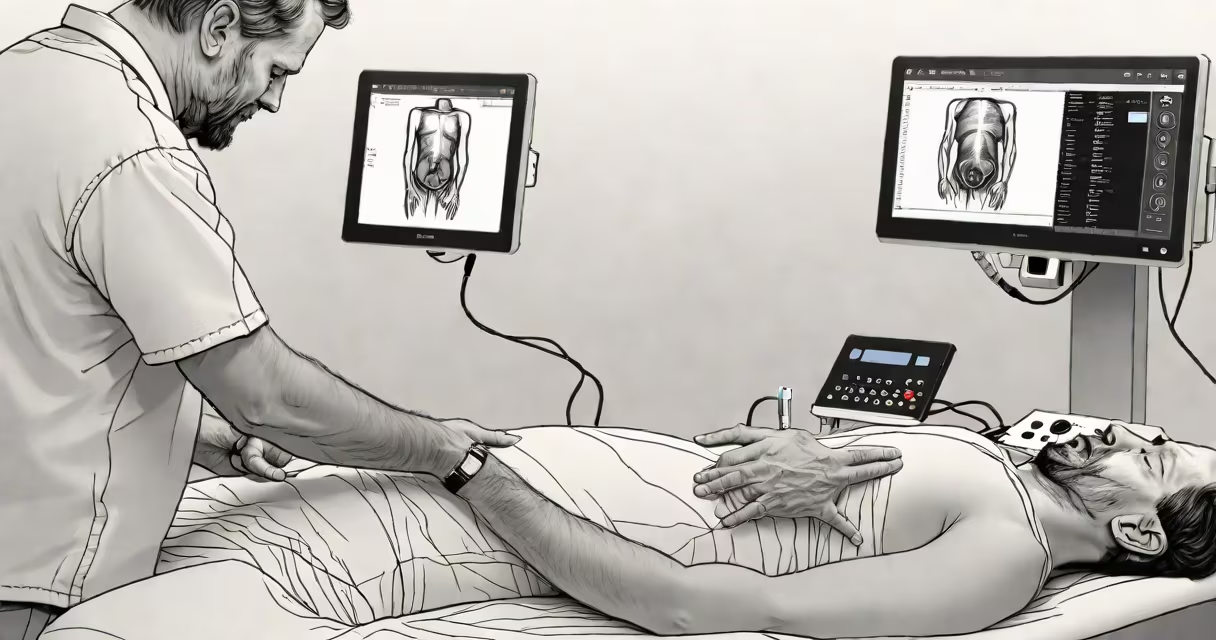
A person who performs ultrasounds is called a sonographer or ultrasound technician. These professionals operate special equipment to create images of the inside of the body, which doctors use to diagnose and treat medical conditions.
Ultrasound machines use high-frequency sound waves to create live images from inside the body. The sonographer applies a special gel to the skin and then moves a device called a transducer over the area being examined. The transducer emits sound waves that bounce back to create an image on a computer screen.
| Type | Specialization | Common Procedures |
|---|---|---|
| Diagnostic Medical Sonographer | General imaging | Abdominal, obstetric, and gynecologic ultrasounds |
| Cardiac Sonographer | Heart imaging | Echocardiograms |
| Vascular Technician | Blood flow imaging | Arterial and venous ultrasounds |
Sonographers work in hospitals, clinics, and diagnostic imaging centers. They perform ultrasounds for various purposes, including monitoring pregnancies, assessing organ health, and diagnosing conditions like heart disease or blood clots. For example, obstetric sonographers create detailed images of a developing fetus during pregnancy.
One non-obvious fact: sonographers often work closely with radiologists and other healthcare providers to ensure accurate diagnoses. Their expertise extends beyond operating the machine-they must understand anatomy, physiology, and pathology to capture the best images.
Many people confuse sonographers with radiologic technologists, who perform X-rays and CT scans. While both roles involve imaging, sonographers use sound waves instead of radiation. Another misconception is that sonographers only work in obstetrics. In reality, they perform many imaging procedures across different medical specialties.
For instance, vascular sonographers specialize in imaging blood vessels to detect issues like deep vein thrombosis or peripheral artery disease. Cardiac sonographers focus on the heart, using echocardiograms to assess heart function and diagnose conditions like valve disorders.
Becoming a sonographer typically requires completing a two-year associate degree or a four-year bachelor's degree program in diagnostic medical sonography. These programs include both classroom instruction and clinical training. Graduates must pass an exam to earn certification from organizations like the American Registry for Diagnostic Medical Sonography (ARDMS).
According to the U.S. Bureau of Labor Statistics, employment of diagnostic medical sonographers is projected to grow 14%, much faster than the average for all occupations. This growth is driven by advancements in medical imaging technology and an aging population that requires more diagnostic services.
I once observed a sonographer working in a busy hospital. The professionalism and precision required to capture clear images were impressive. The sonographer had to adjust the transducer's position constantly, ensuring the best possible view of the patient's internal structures. This hands-on experience highlighted the skill and expertise needed for the job.
Sonographers play a important role in healthcare by performing ultrasounds that help diagnose and monitor medical conditions. Their work requires specialized training and certification, and they contribute to patient care through their expertise in medical imaging.