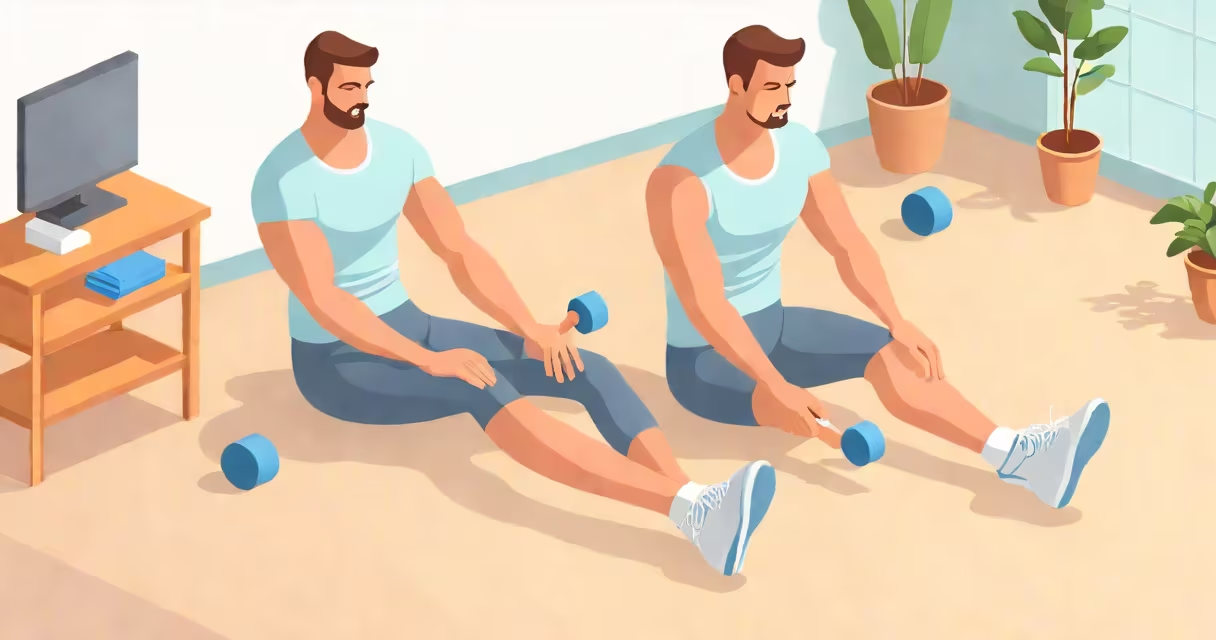
Muscle soreness typically results from intense exercise, injury, or overexertion. The best treatments combine immediate relief with long-term prevention.
Delayed onset muscle soreness (DOMS) peaks 24-72 hours after exercise. It occurs when tiny tears form in muscle fibers during exertion, triggering inflammation and soreness as the body repairs them.
According to the American Council on Exercise, DOMS is most common after eccentric exercises, where muscles lengthen under tension, such as during downward movements in squats or push-ups.
| Type | Cause | Duration |
|---|---|---|
| Acute soreness | Immediate muscle fatigue during exercise | Minutes to hours |
| Delayed onset (DOMS) | Micro-tears in muscle fibers | 24-72 hours |
| Chronic soreness | Overuse or repetitive strain | Days to weeks |
For immediate relief, apply ice packs for 15 minutes every hour during acute soreness. For DOMS, gentle movement like walking or light stretching increases blood flow and reduces stiffness.
Nonsteroidal anti-inflammatory drugs (NSAIDs) like ibuprofen can help, but Harvard Medical School warns against long-term use due to potential side effects. Instead, try natural anti-inflammatories like turmeric or ginger tea.
I've found that foam rolling or massage therapy works best for me. A 2015 study published in the Journal of Strength and Conditioning Research confirmed that foam rolling reduces DOMS and improves flexibility.
Many people believe static stretching prevents soreness, but research shows changing stretching before exercise and static stretching afterward are more effective. Static stretching alone doesn't reduce DOMS.
Another myth is that more protein equals faster recovery. While protein supports muscle repair, excessive intake won't accelerate recovery. Balance protein with carbohydrates for glycogen replenishment.
Gradually increase workout intensity to allow muscles to adapt. Stay hydrated, as dehydration worsens soreness. Warm up properly before exercise and cool down afterward.
If soreness persists beyond 72 hours or worsens, consult a doctor to rule out injury. Chronic soreness may require rest or physical therapy.
For persistent or severe soreness, see a healthcare provider. Chronic pain may indicate an underlying condition requiring professional treatment.