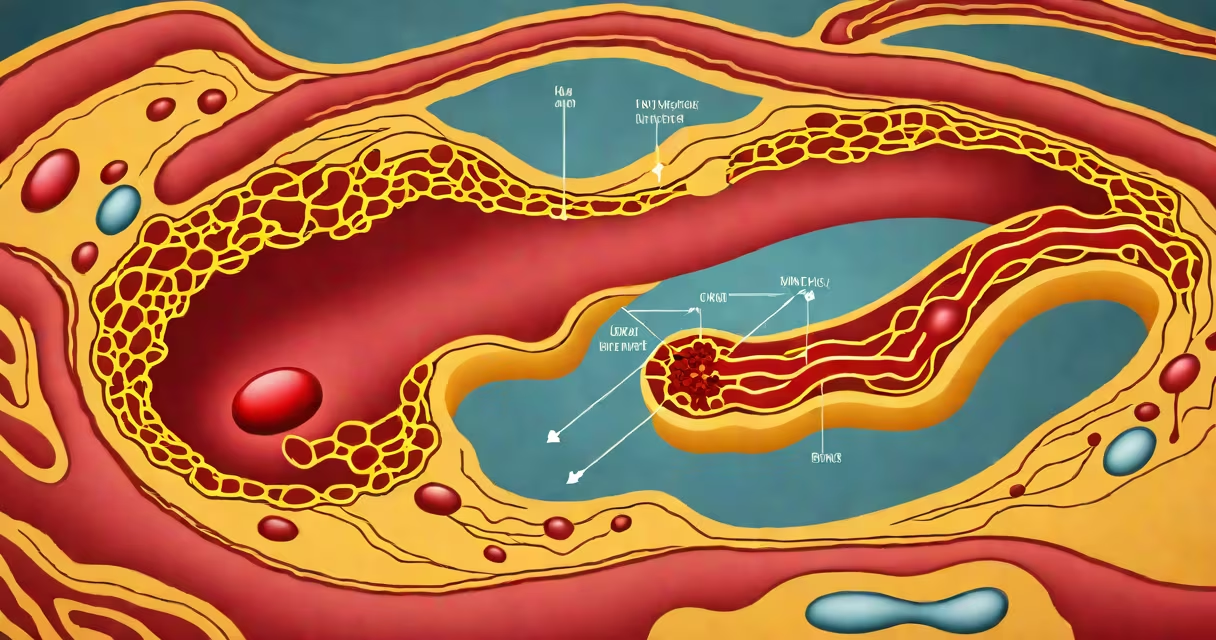
Atherosclerotic disease is a condition where fatty deposits called plaques build up inside arteries, narrowing them and restricting blood flow. This progressive hardening and narrowing of arteries increases the risk of heart attack, stroke, and other cardiovascular events.
Plaques form when low-density lipoproteins (LDLs), or "bad" cholesterol, penetrate the artery wall and oxidize. The body sends white blood cells to fight this perceived injury, creating inflammation. Over time, these cells trap LDLs, forming a fibrous cap over the growing plaque. If the cap ruptures, it can trigger a blood clot, blocking the artery entirely.
| Type | Primary Arteries Affected | Common Risks |
|---|---|---|
| Coronary Artery Disease (CAD) | Arteries supplying the heart | Heart attack, angina |
| Carotid Artery Disease | Arteries in the neck | Stroke |
| Peripheral Artery Disease (PAD) | Legs, arms, stomach | Limited mobility, infections |
Atherosclerotic disease often progresses silently until a major event like a heart attack or stroke occurs. Symptoms depend on which arteries are affected. For example, CAD may cause chest pain (angina) or shortness of breath, while carotid artery disease might lead to sudden numbness or weakness on one side of the body. Doctors detect atherosclerosis through imaging tests like coronary angiography, ultrasound, or CT scans.
The primary risk factors for atherosclerotic disease are high blood pressure, high cholesterol, smoking, diabetes, and obesity. Lifestyle changes like a heart-healthy diet, regular exercise, and avoiding tobacco can reduce risk. Medications such as statins may also help lower cholesterol levels and slow plaque progression.
According to the American Heart Association, about 18.2 million people worldwide die from cardiovascular diseases each year, with atherosclerosis being a leading cause. Early detection and management are critical, as plaque buildup can begin as early as childhood and worsen with age.
I once helped a family member monitor their cholesterol levels and adjust their diet to include more fiber-rich foods like oats and beans. Over six months, their LDL levels dropped by 20 points, demonstrating how lifestyle changes can impact atherosclerotic disease risk.
Many people confuse atherosclerosis with arteriosclerosis, a broader term meaning hardening of the arteries. While all atherosclerosis is arteriosclerosis, not all arteriosclerosis is caused by plaque buildup. Some cases result from calcium deposits or other factors.
Another misconception is that atherosclerosis only affects older adults. While risk increases with age, plaque buildup can start in young adulthood, especially with poor diet, lack of exercise, or smoking. Even children can develop early signs of atherosclerosis if they have high cholesterol or other risk factors.
For more on cardiovascular health, see related conditions.