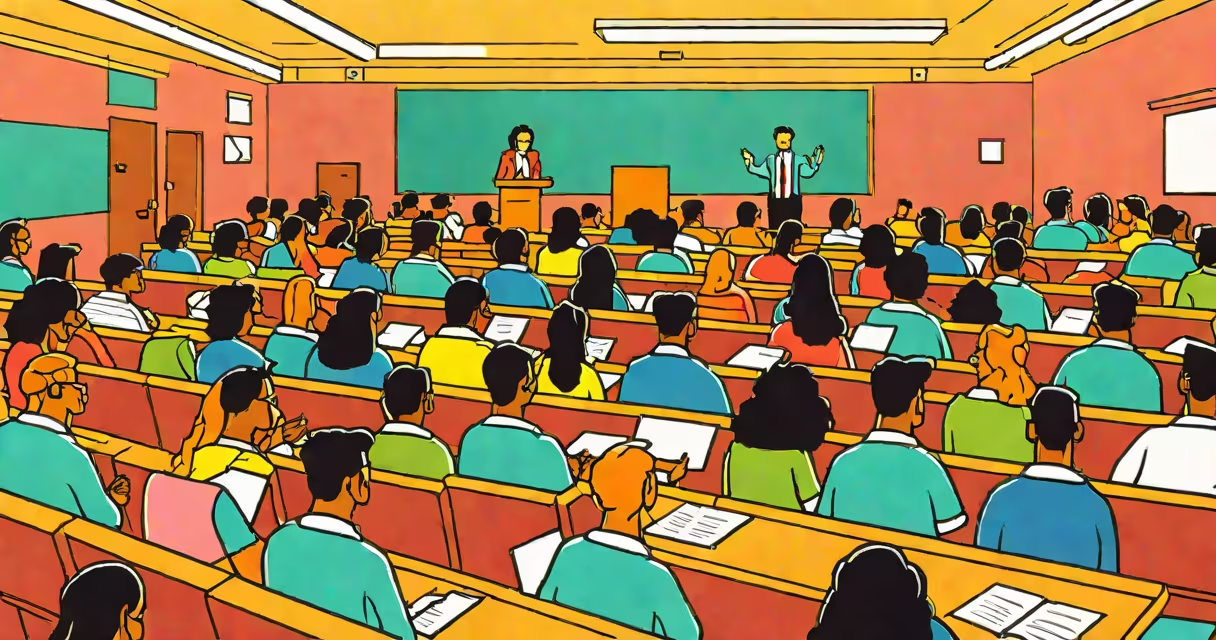
A communications class is a college course teaching skills like public speaking, writing, and media literacy. These classes appear in programs like business, journalism, and media studies.
Most communications classes combine lectures with hands-on activities. Students analyze case studies, practice presentations, and create projects like podcasts or press releases. Assignments often require collaboration, mimicking real-world scenarios.
Assessment methods vary. Some instructors grade participation, while others focus on written assignments or exams. Group projects are common, emphasizing teamwork and conflict resolution.
| Course Type | Focus Area | Example Assignment |
|---|---|---|
| Public Speaking | Oral presentation skills | Delivering a persuasive speech |
| Business Communication | Professional writing and messaging | Creating a marketing campaign |
| Interpersonal Communication | Conflict resolution and negotiation | Role-playing difficult conversations |
| Media Studies | Analyzing media messages | Producing a short documentary |
Communications classes appear in high schools, colleges, and corporate training programs. High school courses introduce basic concepts, while college courses prepare students for careers in fields requiring strong communication skills.
Corporate settings use communications training to improve employee interactions, leadership skills, and customer relations. For example, sales teams learn persuasive techniques, while managers study effective feedback delivery.
Some students assume communications classes focus solely on public speaking. While speaking is part of the curriculum, these courses also cover writing, media analysis, and interpersonal dynamics.
Another misconception is that communications classes are only for aspiring journalists or broadcasters. In reality, these skills apply to diverse careers, including healthcare, law, and engineering. Even technical fields require clear communication for documentation and team collaboration.
In my introductory communications class, we analyzed how organizations respond to crises. One assignment required groups to create a press release for a fictional class D fires incident. We had to balance transparency with sensitivity, a skill directly applicable to public relations careers.
Another project involved recording a podcast discussing social media ethics. We researched current debates, interviewed experts, and edited our recordings. This hands-on experience taught technical skills and critical thinking about media consumption.