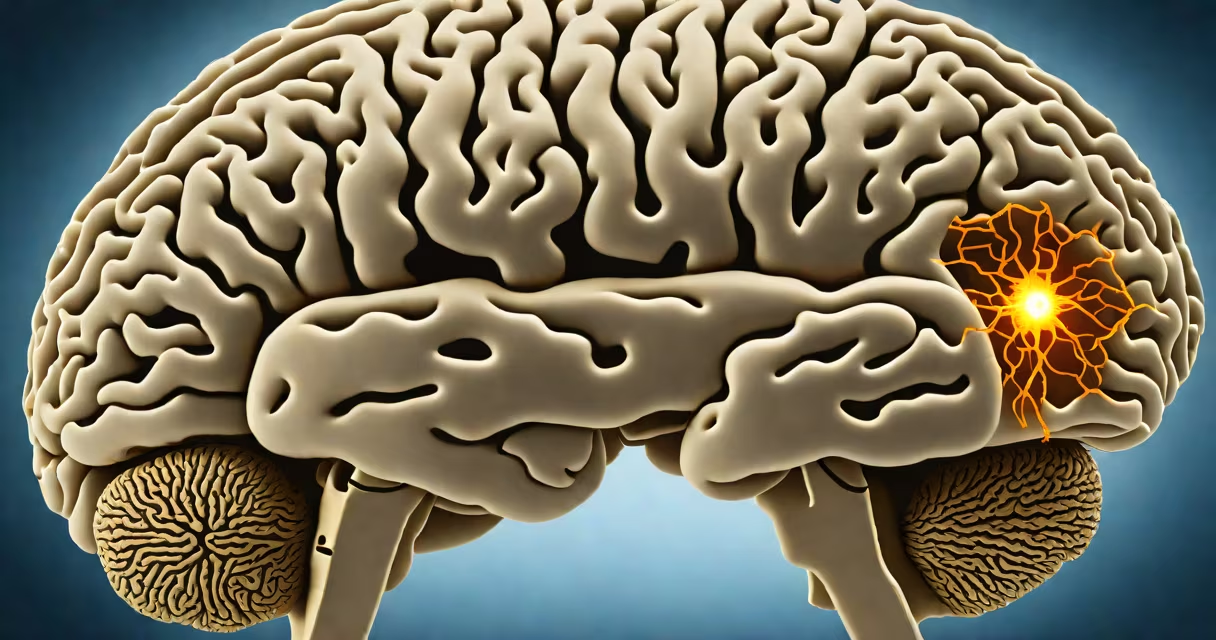
The conscious mind is the part of human cognition responsible for self-awareness, reasoning, and deliberate thought. It processes sensory input, generates thoughts, and creates a sense of personal identity.
The conscious mind operates through a combination of neural processes in the brain. It integrates information from various sensory inputs, such as sight, sound, and touch, to form a coherent picture of the environment. This integration allows for focused attention, decision-making, and problem-solving.
Research suggests that the prefrontal cortex is important for conscious thought. This brain region is involved in executive functions like planning, reasoning, and moderating social behavior. Damage to this area can impair consciousness, highlighting its importance in maintaining awareness.
The conscious mind encompasses several key processes:
The conscious mind is used in everyday activities, from simple tasks like reading or driving to complex activities like solving problems or making decisions. It is essential for social interactions, as it enables us to understand and respond to others' emotions and behaviors.
For example, when you read a book, your conscious mind processes the words, understands their meaning, and forms thoughts about the content. Similarly, when you have a conversation, your conscious mind helps you listen, respond, and interpret the other person's words and tone.
One common misconception is that the conscious mind is the only part of the brain responsible for thought and action. In reality, much of our cognitive processing occurs unconsciously. The unconscious mind handles automatic tasks like breathing, heart rate, and reflexes, while the conscious mind deals with deliberate actions and decisions.
Another misconception is that consciousness is a single, unified process. Research shows that consciousness is likely composed of multiple interconnected processes, each contributing to different aspects of awareness. For instance, the unconscious mind plays a significant role in shaping our thoughts and behaviors, often influencing decisions without our awareness.
A lesser-known fact is that the conscious mind has limited processing capacity. While it can handle complex tasks, it can only focus on a few things at once. This is why multitasking can be challenging and often leads to errors. The brain's attentional resources are finite, and dividing them among multiple tasks can reduce efficiency and accuracy.
For example, trying to carry on a conversation while driving requires the conscious mind to split its attention between two tasks. This can lead to decreased performance in both activities, as the brain struggles to process information from multiple sources simultaneously.
Consider the act of solving a math problem. Your conscious mind focuses on the numbers and operations, applying logical reasoning to arrive at the correct answer. It processes each step deliberately, checking for errors and ensuring accuracy. This deliberate thought process is a sign of conscious cognition.
In contrast, tasks like riding a bike or typing on a keyboard become automatic over time. These activities are handled by the unconscious mind, freeing up the conscious mind to focus on other tasks. This division of labor between conscious and unconscious processes is essential for efficient cognitive functioning.