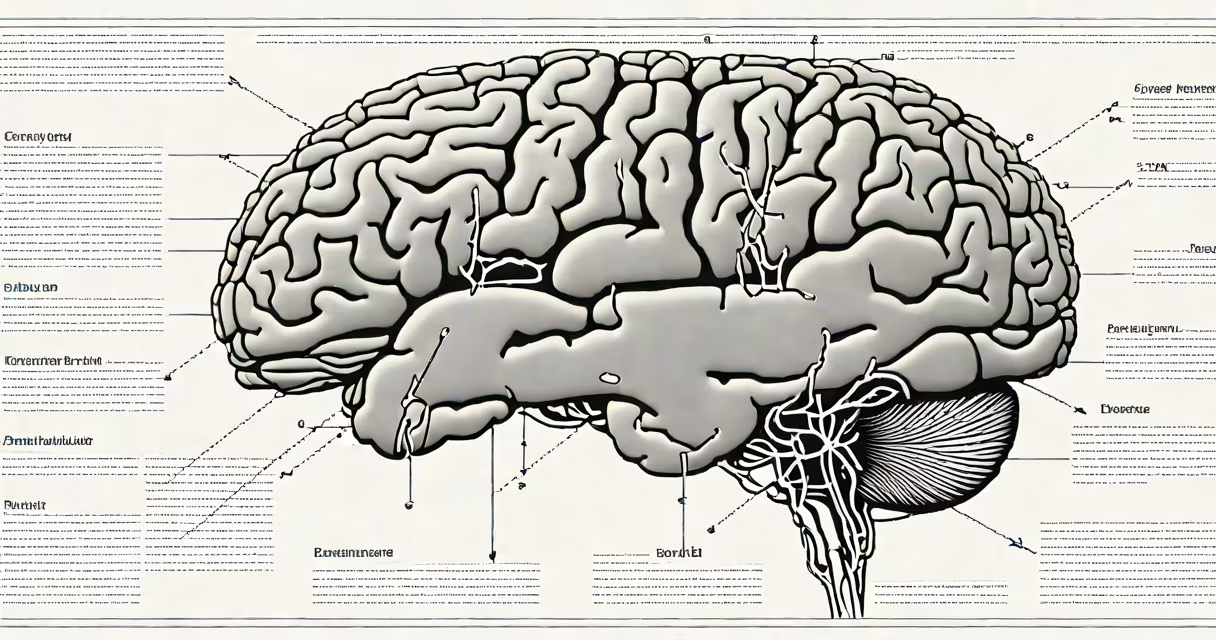
Dementia disease is a progressive decline in cognitive function that affects memory, reasoning, and behavior. It encompasses a group of symptoms caused by damage to brain cells, which interferes with their ability to communicate with each other.
Dementia occurs when nerve cells in the brain stop working, lose connections with other brain cells, and die. This process impairs thinking, behavior, and feelings. The most common cause of dementia is Alzheimer's disease, which accounts for 60-80% of cases. Other causes include vascular issues, Lewy body disease, and frontotemporal degeneration.
The brain changes associated with dementia lead to difficulty with:
The most common types of dementia include:
Dementia is often misunderstood as a normal part of aging. However, it is not a natural or inevitable consequence of growing older. While the risk increases with age, many people live into their 90s without developing dementia.
Another misconception is that dementia only affects memory. While memory loss is a common symptom, dementia can also impact language, decision-making, and visual-spatial skills. Different types of dementia affect different parts of the brain, leading to varied symptoms.
Dementia is a progressive condition, meaning symptoms worsen over time. Early diagnosis and intervention can help manage symptoms and improve quality of life. Treatments may include medications, therapy, and lifestyle changes.
Caring for someone with dementia can be challenging. Support groups and resources are available to help caregivers cope with the demands of caregiving. Understanding the disease and its progression can also help families plan for the future.
I once volunteered at a memory care facility where I saw firsthand how activities tailored to residents' abilities could improve their mood and engagement. Simple tasks like sorting objects or listening to music from their youth brought moments of clarity and joy.