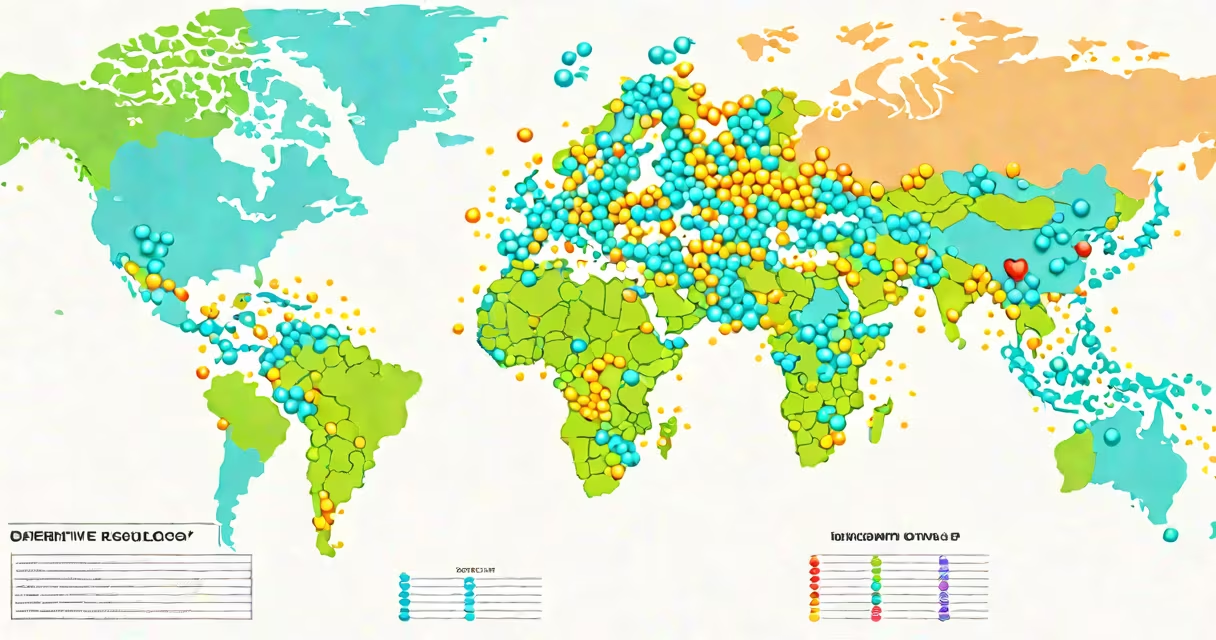
Descriptive epidemiology examines disease occurrence in human populations by time, place, and person characteristics. This method identifies patterns that inform public health decisions.
Researchers analyze existing data to describe health events without manipulating variables. Unlike analytical epidemiology, which investigates causes, descriptive epidemiology focuses on "who, when, and where" questions.
Descriptive epidemiology uses three core dimensions:
Public health agencies use this approach to track:
For example, the CDC's 2020 mortality data showed opioid overdoses increased during the pandemic, prompting targeted interventions.
Many confuse descriptive epidemiology with analytical epidemiology. While both study disease patterns, descriptive methods focus on summarizing data rather than testing hypotheses about causes.
This approach cannot establish causality. Researchers often follow descriptive findings with analytical studies to investigate potential risk factors. For instance, after noticing higher lung cancer rates in certain areas, analysts might examine pollution levels or smoking habits.
When analyzing local flu trends for a health department, I noticed higher infection rates in schools during winter months. This descriptive finding led to targeted vaccination campaigns in educational settings.