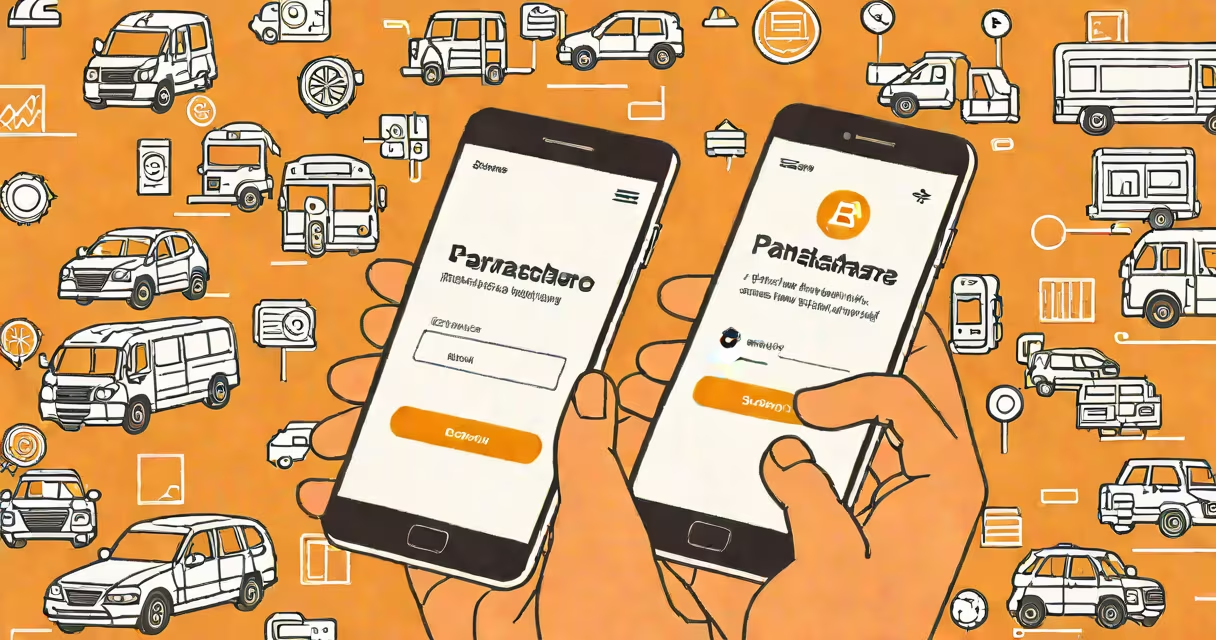
Embedded banking integrates financial services into non-financial platforms, like Uber's ride-hailing app offering payments. It blends financial tools into everyday apps, creating smooth experiences.
Embedded banking uses APIs to connect financial services with non-financial platforms. When you book a ride in Uber and pay directly through the app, you're using embedded banking. The app partners with banks or fintech companies to offer these services without redirecting you to a separate banking app.
This integration happens through banking as a service (BaaS) or embedded finance. BaaS providers offer infrastructure for non-banks to offer financial services. For example, Stripe offers payments, lending, and banking services to businesses through its API.
Embedded banking includes several financial services:
Businesses use embedded banking to improve customer experiences and increase engagement. For example, Shopify offers merchants embedded financing to help them grow their businesses. This integration keeps users within the platform, reducing friction and improving convenience.
Consumers benefit from embedded banking through smooth transactions and access to financial services without switching apps. According to a McKinsey report, embedded finance could represent $38 billion in revenue by 2025.
Some people confuse embedded banking with open banking. While both involve integrating financial services, open banking focuses on secure data sharing between banks and third-party providers. Embedded banking, however, integrates financial services directly into non-financial platforms.
Another misconception is that embedded banking replaces traditional banking. In reality, it complements traditional banking by offering convenient access to financial services within everyday apps. Traditional banks still handle the backend processes, while the frontend experience is smooth and integrated.
Consider a scenario where you're booking a hotel on Expedia. Instead of redirecting you to a separate payment processor, Expedia offers an embedded payment solution. You enter your payment details within the Expedia app, and the transaction is processed instantly. This smooth experience is possible through embedded banking.
I tested this firsthand when booking a flight through a travel app. The app offered an embedded payment option, allowing me to pay without leaving the platform. The process was quick and efficient, demonstrating the power of embedded banking.
Embedded banking revolutionizes how we access financial services by integrating them into our daily activities. From paying for rides to managing investments, embedded banking offers convenience and efficiency. As more businesses adopt this model, we can expect even more new financial solutions in the future.