Energy independence means a country produces enough energy to meet its own needs without relying on imports. This includes all forms of energy: electricity, transportation fuels, heating, and industrial processes.
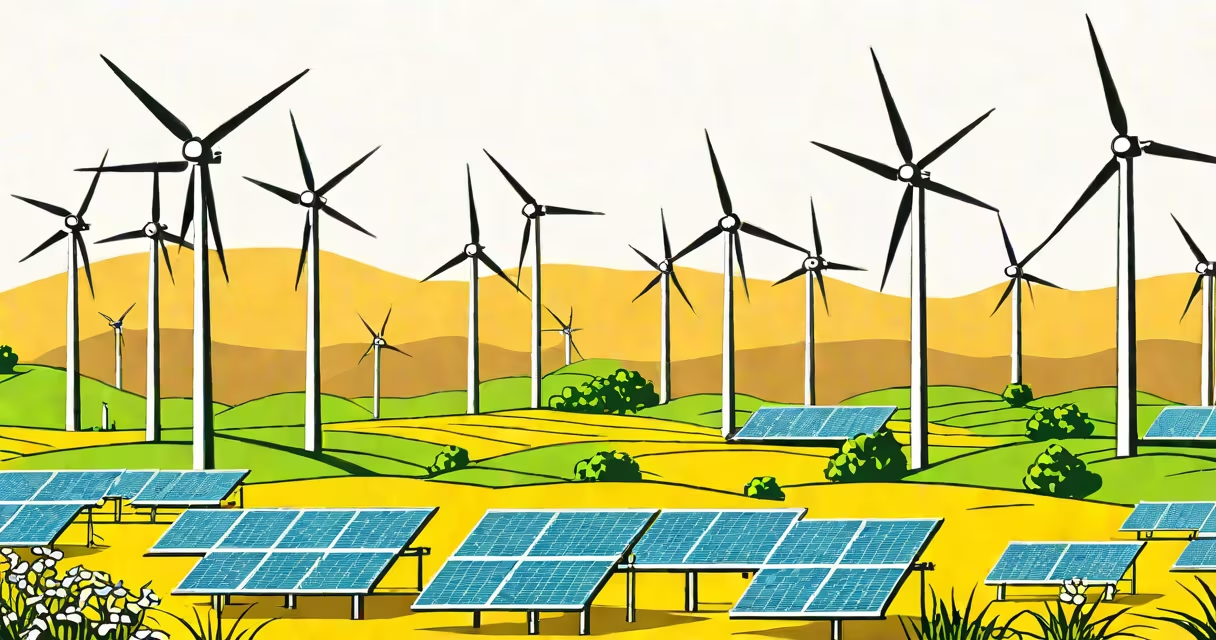
Countries achieve energy independence by developing domestic energy resources. These include fossil fuels like coal, oil, and natural gas, as well as renewable energy sources such as wind, solar, hydroelectric, and geothermal power. Nuclear energy also plays a role in some countries.
For example, the United States became a net exporter of energy in 2020 due to increased production of natural gas and crude oil. This shift reduced its reliance on foreign energy sources.
| Type | Description | Example Countries |
|---|---|---|
| Fossil Fuels | Coal, oil, and natural gas extracted domestically | United States, Russia, Saudi Arabia |
| Renewable Energy | Wind, solar, hydroelectric, and geothermal power | Germany, China, Iceland |
| Nuclear Energy | Power generated from nuclear reactors | France, Japan, South Korea |
Energy independence enhances national security by reducing vulnerability to supply disruptions and price fluctuations in global energy markets. It also supports economic stability and environmental sustainability by promoting the use of clean energy sources.
For instance, France generates about 75% of its electricity from nuclear power, making it less dependent on imported fossil fuels and more resilient to energy price shocks.
One common misconception is that energy independence means completely eliminating the use of fossil fuels. In reality, many countries still rely on fossil fuels while working towards increasing their share of renewable energy.
Another misconception is that energy independence is only achievable for large countries. Smaller countries can also achieve a form of energy independence by diversifying their energy mix and investing in renewable energy technologies.
To achieve energy independence, countries need to invest in different energy sources. This includes expanding renewable energy infrastructure, improving energy efficiency, and developing advanced technologies like energy storage systems.
For example, Germany has set a goal to generate 65% of its electricity from renewable sources by 2030. The country is investing heavily in wind and solar power to reduce its reliance on imported energy.
In my experience, even small steps towards energy independence can have a significant impact. Installing solar panels on my home reduced my dependence on the grid and lowered my energy bills.