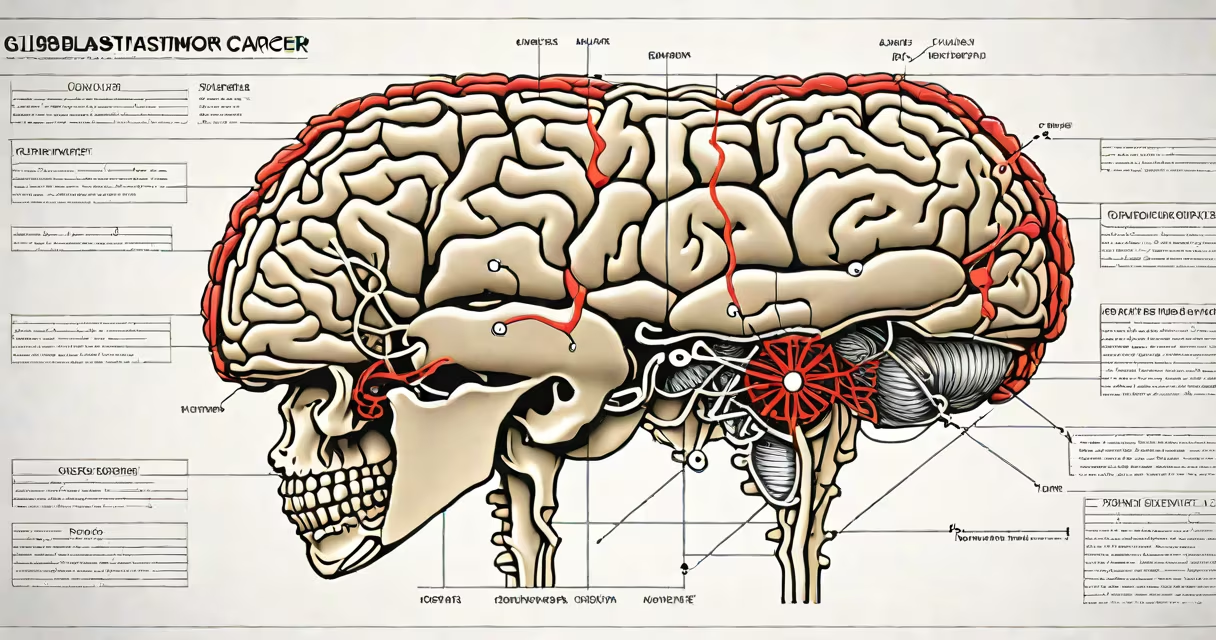
Glioblastoma brain cancer is a fast-growing, aggressive tumor that forms in the brain or spinal cord. It originates from glial cells, which support neurons, and is classified as a grade IV astrocytoma, the most severe form of brain cancer.
Glioblastoma tumors arise from mutations in glial cells, often driven by genetic factors. Unlike other cancers that may spread to the brain, glioblastoma begins in the central nervous system. The exact cause remains unknown, but research suggests links to radiation exposure, genetic syndromes like Li-Fraumeni syndrome, and older age.
Glioblastomas are divided into primary and secondary types:
| Type | Characteristics | Occurrence |
|---|---|---|
| Primary glioblastoma | Develops rapidly without prior lower-grade tumors | 60-70% of cases |
| Secondary glioblastoma | Evolves from lower-grade gliomas over time | 30-40% of cases |
Both types share common traits: rapid growth, resistance to treatment, and a tendency to recur. The tumors often contain necrotic (dead) tissue and areas of abnormal blood vessels.
Symptoms vary based on tumor location but frequently include severe headaches, seizures, nausea, vomiting, memory loss, personality changes, and progressive weakness on one side of the body. These signs develop as the tumor presses on surrounding brain tissue. Early detection is challenging due to their similarity to less serious conditions.
Doctors diagnose glioblastoma through imaging tests like MRI or CT scans, followed by a biopsy to examine tumor cells. Treatment typically involves a combination of surgery, radiation therapy, and chemotherapy. The drug temozolomide is commonly used alongside radiation. Clinical trials explore new therapies, including targeted drugs and immunotherapy.
Glioblastoma remains incurable, with median survival rates of 12-15 months post-diagnosis. However, advancements in personalized medicine offer hope for improved outcomes. For instance, researchers at Johns Hopkins identified specific genetic mutations that may predict patient response to treatment.
I've seen firsthand how critical early intervention is. A family member experienced sudden, severe headaches and memory lapses. After an MRI revealed a glioblastoma, immediate treatment extended their life expectancy.
Many confuse glioblastoma with other brain tumors, such as meningiomas, which are usually slower-growing and less aggressive. Unlike glioblastoma, meningiomas often originate from the protective layers around the brain rather than the brain tissue itself.
Another common myth is that glioblastoma only affects older adults. While risk increases with age, it can occur at any stage of life. Pediatric glioblastomas, though rare, present unique challenges due to differences in tumor biology and treatment responses.