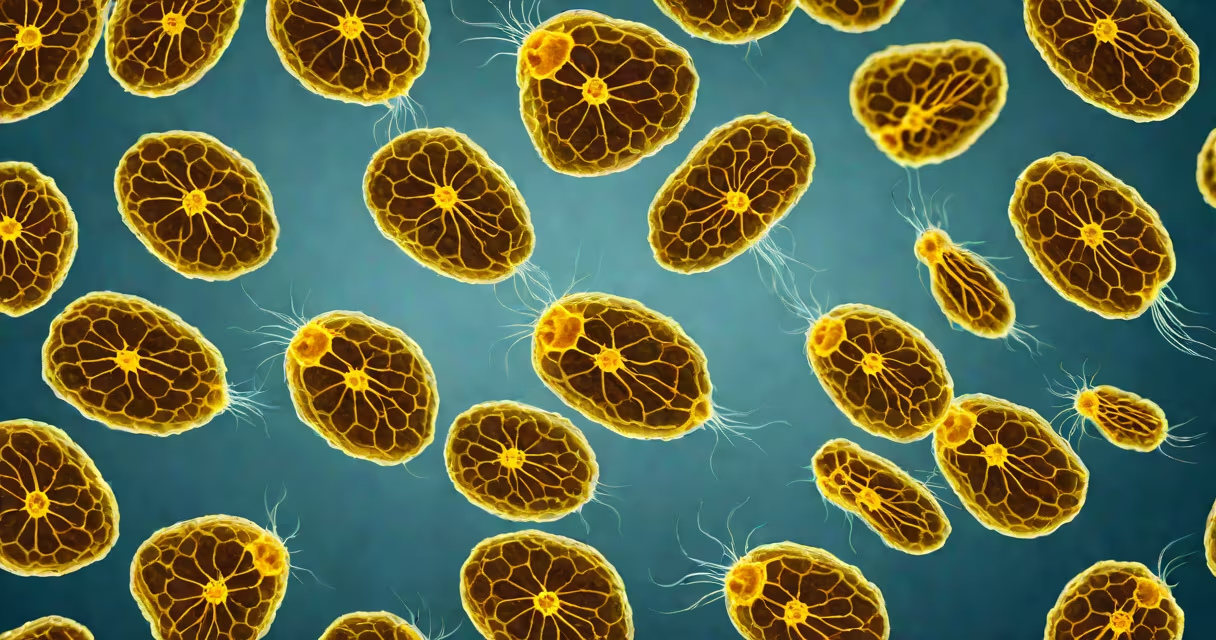
Giardia in dogs is an intestinal infection caused by the single-celled parasite Giardia duodenalis, which disrupts nutrient absorption and often leads to chronic diarrhea.
Dogs contract giardia by ingesting cysts from contaminated water, food, or surfaces. Once inside, the cysts release trophozoites that attach to the small intestine's lining, interfering with digestion and causing inflammation.
The infection is particularly dangerous for puppies and immunocompromised dogs, as it can lead to severe weight loss, dehydration, and malnutrition. Even healthy adult dogs may experience intermittent diarrhea that persists for weeks.
There are two primary forms of Giardia: trophozoites (active, feeding stage) and cysts (dormant, infectious stage). Dogs typically ingest cysts, which then develop into trophozoites in the gut.
| Form | Stage | Location |
|---|---|---|
| Trophozoite | Active | Small intestine |
| Cyst | Dormant | Environment |
Symptoms vary but often include:
Some dogs carry giardia without symptoms, making it harder to detect.
Veterinarians diagnose giardia through fecal tests, including ELISA or PCR. Treatment involves antiparasitic drugs like fenbendazole or metronidazole, often prescribed for 3-10 days. Repeat testing confirms elimination.
I once treated my rescue dog for giardia after noticing persistent diarrhea. The vet prescribed a 7-day course of fenbendazole, and follow-up tests confirmed the infection had cleared.
Prevent giardia by avoiding stagnant water, cleaning contaminated areas with bleach, and practicing good hygiene. Dogs recovering from giardia should rest for 1-2 weeks to regain strength.
While giardia rarely infects humans, both species can carry the parasite. Consult a doctor if symptoms appear after exposure.
For other intestinal infections like blastomycosis in dogs, symptoms and treatments differ.