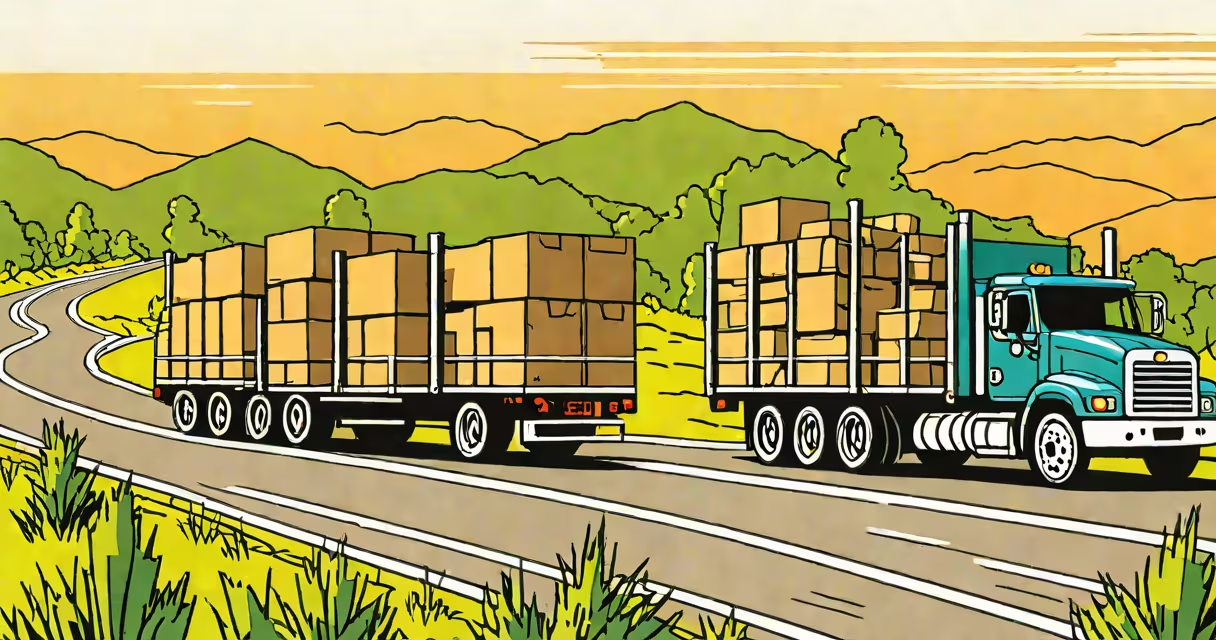
Hot shot driving is a specialized form of expedited freight transport using light trucks to deliver time-sensitive cargo, often bypassing traditional shipping methods. The term originates from the oilfield services industry, where small trucks transported urgent equipment to drilling sites.
Hot shot drivers typically operate Class 3-5 trucks (10,001-26,000 lbs GVWR) to haul freight that can't wait for standard shipping. These drivers often work independently or for small fleets, using their own equipment to provide flexible, on-demand service.
The process begins when a shipper needs urgent delivery. The hot shot driver picks up the load, transports it directly to the destination, and unloads it. This direct route often eliminates the need for warehouses or distribution centers, reducing handling and speeding delivery.
| Freight Type | Common Examples | Typical Weight Range |
|---|---|---|
| Oilfield Equipment | Drill pipes, casing, tubing | 5,000-15,000 lbs |
| Construction Materials | Steel beams, HVAC units | 8,000-20,000 lbs |
| Manufacturing Parts | Machinery components, automotive parts | 3,000-12,000 lbs |
| Retail Goods | Furniture, appliances | 2,000-10,000 lbs |
Companies rely on hot shot driving when delays could cause significant financial losses or operational disruptions. For example, a manufacturing plant might need a replacement part delivered overnight to avoid shutting down production lines.
Hot shot services also benefit businesses in remote areas where larger trucks can't access locations. According to the American Trucking Associations, about 72.5% of freight tonnage is moved by trucks, highlighting the industry's reliance on flexible transportation solutions.
Many people confuse hot shot driving with standard trucking or courier services. Unlike traditional shipping, which often involves multiple stops and transfers, hot shot drivers transport goods directly without intermediaries.
For instance, a hot shot driver might transport a specialized machine part from a Texas manufacturer to a repair facility in Arizona within 24 hours. In contrast, traditional shipping might take several days due to warehouse stops and scheduling constraints.
While hot shot driving offers flexibility, it also presents challenges. Drivers must go through unpredictable schedules, long hours, and varying pay rates. They often work irregular hours to meet urgent deadlines, requiring adaptability and resilience.
Hot shot drivers must comply with federal regulations, including hours-of-service rules and vehicle maintenance requirements. The Federal Motor Carrier Safety Administration sets these standards to ensure safety on the road.
I once spoke with a hot shot driver who described his job as "controlled chaos." He explained that while the work was demanding, the independence and variety kept him engaged. His typical day involved picking up loads at odd hours, going through construction zones, and finding creative solutions to logistical problems.
Hot shot driving is important for keeping businesses running smoothly by delivering urgent freight efficiently. Its flexibility and speed make it indispensable for industries that can't afford delays. As supply chain demands evolve, hot shot services will likely remain a important component of modern logistics.